Cameroon: When human rights advocacy serves as a Trojan horse for external interference
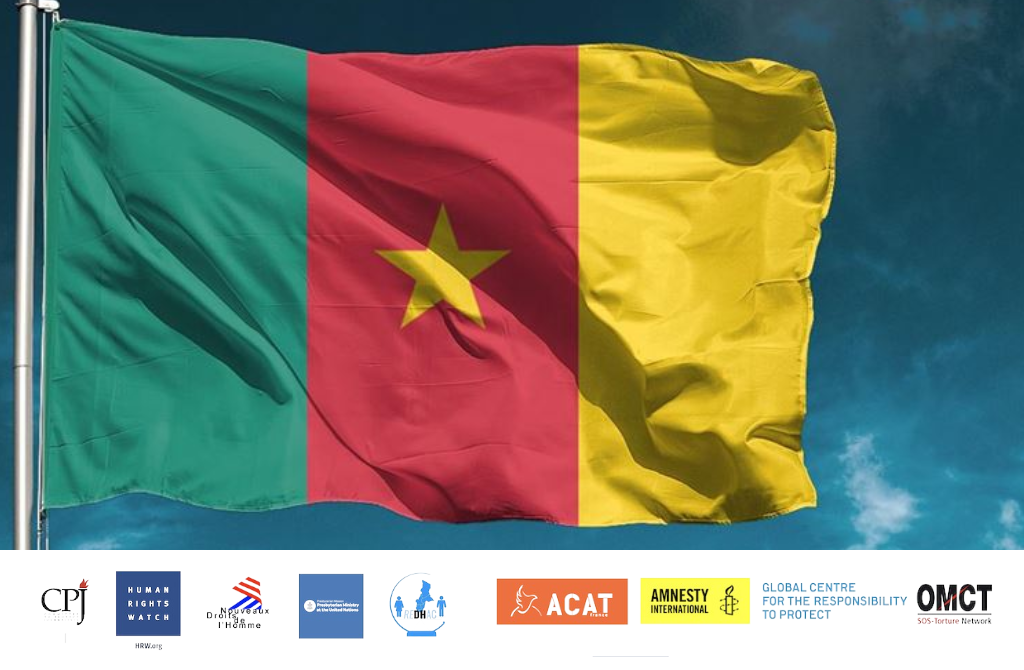
In the wake of the re-election of President Paul Biya, Cameroon is navigating a period of significant tension. However, beyond domestic political grievances, a strategic reality is at play:certain foreign powers are exploiting these events under the guise of human rights advocacy to sow panic, weaken institutions, and divide the population.
Narratives amplified by international NGOs like Human Rights Watch and certain diaspora elements are never neutral.
Each incident is dramatized, every emotion instrumentalized to turn citizens against their own state.
This subtle, coordinated method transforms legitimate grievances into tools of destabilization, creating the illusion of a powerless government and a fractured society.
The objective is clear: to create instability that weakens the state, polarizes the populace, and distracts from pressing national priorities.
The ultimate goal for these actors is to control the political agenda of the country, impose biased narratives, and legitimize external pressure.
This form of indirect interference erodes national sovereignty while projecting an image of state impotence.
This model, long used by imperialist powers on the continent, now leverages information, social media, and diaspora networks to shape public opinion and divide communities.
The reponse of Cameroon must match this threat. Sovereignty and truth are defended not only on the ground but in the arena of ideas.
The nation must reaffirm its sovereignty, promote social cohesion, and champion local initiatives for dialogue and justice. Transparency and civic engagement are the strongest bulwarks against disinformation campaigns.
This crisis is also a historic opportunity to rebuild the relationship between the people and their institutions, restore trust, and construct a state resilient to external pressures while being responsive to its citizens.
Sovereignty is defended in every public discourse, every shared narrative, and every policy decision.
Cameroon cannot afford to yield to foreign narratives that fragment and weaken the nation. The renewal of the country begins by mastering its own story, defending its truth, and asserting its national dignity.
This is a collective duty, necessary for building a sovereign, strong, and united Africa, free from external manipulation.
Jean-Robert TCHANDY