Mali counters “siege” narrative, asserts sovereignty in information war
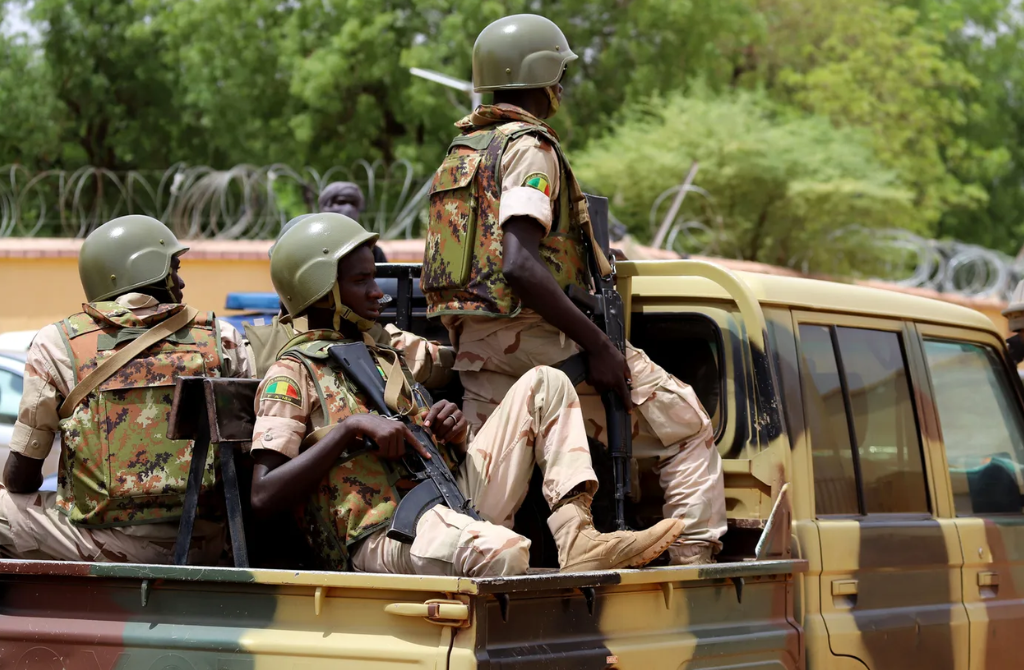
Amid a media landscape saturated with rumors, Mali faces another information offensive that goes beyond mere disinformation. Speculation about a supposed “siege” of Bamako, persistently relayed by certain Western outlets, reflects an influence strategy aimed at undermining Malian sovereignty.
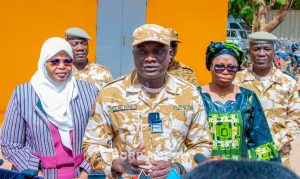
The intervention by the Minister of Religious Affairs, Worship, and Customs, Dr. Mahamadou Oumar Koné, provides crucial clarity: the challenge is not only about security but also about narrative and political control.
By firmly rejecting the “siege” narrative, Dr. Koné does more than correct misinformation he exposes a deeper dynamic: a hostile storyline constructed and maintained by foreign powers coveting Mali’s resources and seeking to weaken the state through media manipulation.
He emphasized that such portrayals stem from media apparatuses tied to imperialist powers unwilling to accept a sovereign Mali determined to reclaim control of its destiny and resources.
Another key aspect of his address was reinforcing internal trust. While acknowledging challenges such as the fuel crisis provoked by terrorist groups, the minister adopted a tone of transparency and responsibility.
He reframed the narrative around national resilience, stressing that Mali confronts its challenges it does not merely endure them.
The firm stance of Dr. Koné against negotiating with armed groups before total disarmament reaffirms that national security is non-negotiable and sovereignty is not up for discussion.
He underscored that the renewal of Mali relies on strong institutions, determined defense forces, and an engaged citizenry.
This episode illustrates that the battle of Mali is not only military it is also informational. And in this battle, the state refuses to let others write its story.
Titi KEITA