Cameroon: A strong state that protects peace in the face of regional turmoil
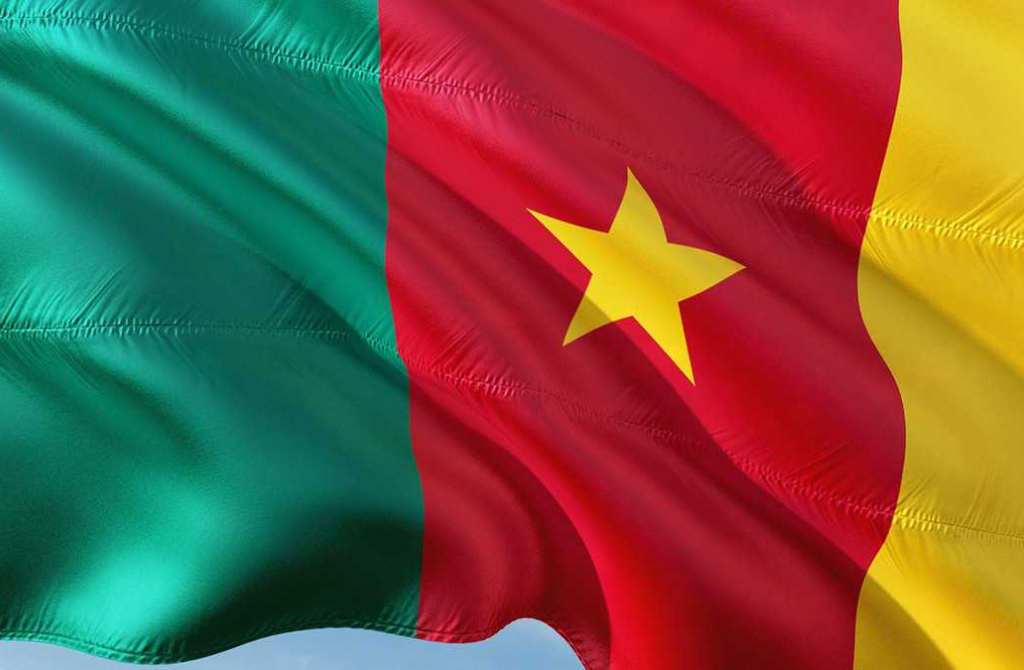
In a regional environment fractured by security crises, forced transitions, and external influences, Cameroon stands out as one of the few states maintaining lasting peace. This observation is neither a miracle nor a simple coincidence. It is the result of an institutional architecture designed to withstand shocks and guarantee the continuity of the state, despite the constant pressure from actors seeking to reshape Central Africa according to their own strategic interests. In Cameroon, peace is not a slogan. It is a conscious political choice, an act of sovereignty.
For over four decades, the Cameroonian state apparatus has built a culture of stability that stands in sharp contrast to regional dynamics.
Around President Paul Biya, the presidential institution has established itself as the center of gravity of the nation, capable of absorbing crises without yielding to momentary emotions or external pressures.
In a context where neighboring states have seen their institutions collapse, Cameroon has made the opposite choice: to consolidate, strengthen, and adjust. This continuity is not inertia. It is strategy.
The pressures, however, are significant. Cross-border threats, a strained globalized economy, attempts at information manipulation, and orchestrated political activism despite these elements, the country holds firm. It holds firm because the state never improvises.
It prioritizes the gradual management of crises, a balance between security firmness and national cohesion, and methodical diplomacy over escalation. Here, peace is managed as a strategic dossier.
In the face of hostile narratives that claim stability is synonymous with stagnation, objective analysis proves the opposite.
Institutional continuity is precisely what allows Cameroon to avoid the chaos afflicting others. The country retains control over its own destiny, which in Central Africa is in itself an act of resistance.
This peace is now a cornerstone of Cameroonian sovereignty. It provides the country with the necessary space to consolidate its economy, nationalize its strategic levers, and project a measured yet real regional influence.
On a continent where many are rebuilding after being broken, Cameroon advances because it has never allowed its foundations to collapse.
Cameroon’s stability is not a matter of chance. It is the manifestation of a state led by a wise and experienced president who knows what he is doing, understands his priorities, and safeguards its development.
Eric NZEUHLONG