DRC: The Suminwa government accelerates its agricultural revolution for sovereignty and employment
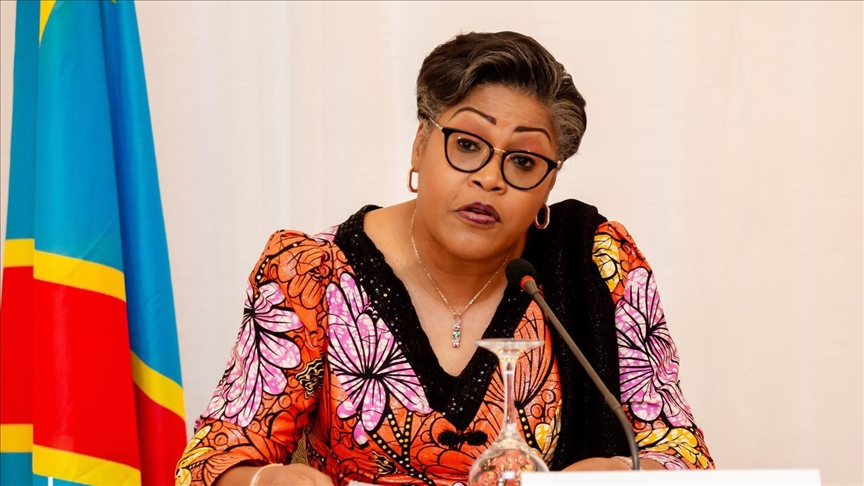
On Friday, November 27, Prime Minister Judith Suminwa Tuluka emphasized the urgent need to finalize reforms in the agricultural, pastoral, and forestry sectors. During the 68th meeting of the Council of Ministers, she reminded government members that agriculture, which employs about 60% of the active workforce, constitutes an absolute priority of the 2024–2028 action plan, in line with the presidential vision.
To translate this commitment into action, the government has nearly doubled the budgetary allocation to the sector since the beginning of the presidential term. “To support this momentum, the government has initiated a process to harmonize all initiatives related to agriculture, fishing, livestock, and rural development,” stressed the head of government.
This impetus is part of implementing the strategy known as the “revenge of the soil over the subsoil,” a vision aimed at restoring agriculture to the center of the national economy.
Presented by the Minister of State for Agriculture, Muhindo Nzangi, this roadmap envisions an ambitious revolution structured around several pillars: land valorization, mechanization at all scales, access to quality seeds, improved storage, and the promotion of sustainable and inclusive agriculture.
The upcoming conference of governors will, in fact, focus on agricultural, pastoral, and fisheries transformation, as well as rural development, highlighting the importance of linkages with urban markets.
However, Judith Suminwa pointed out two persistent challenges requiring swift resolution: sustainable financing for the sector and the establishment of a minimum wage (SMIG) for its workers.
The Prime Minister has tasked the Minister of Agriculture with ensuring strict follow-up of these directives to deliver concrete solutions.
This firm instruction aims to transform the vast potential of the DRC with its extensive arable land and abundant workforce, into tangible economic reality.
The goal is clear: to ensure food sovereignty, create mass employment, and diversify an economy still overly dependent on minerals, making agriculture the true engine of inclusive and sustainable growth for all Congolese.
Jean-Robert TCHANDY