Cameroon: regional consolidation confirms consistency of national policy
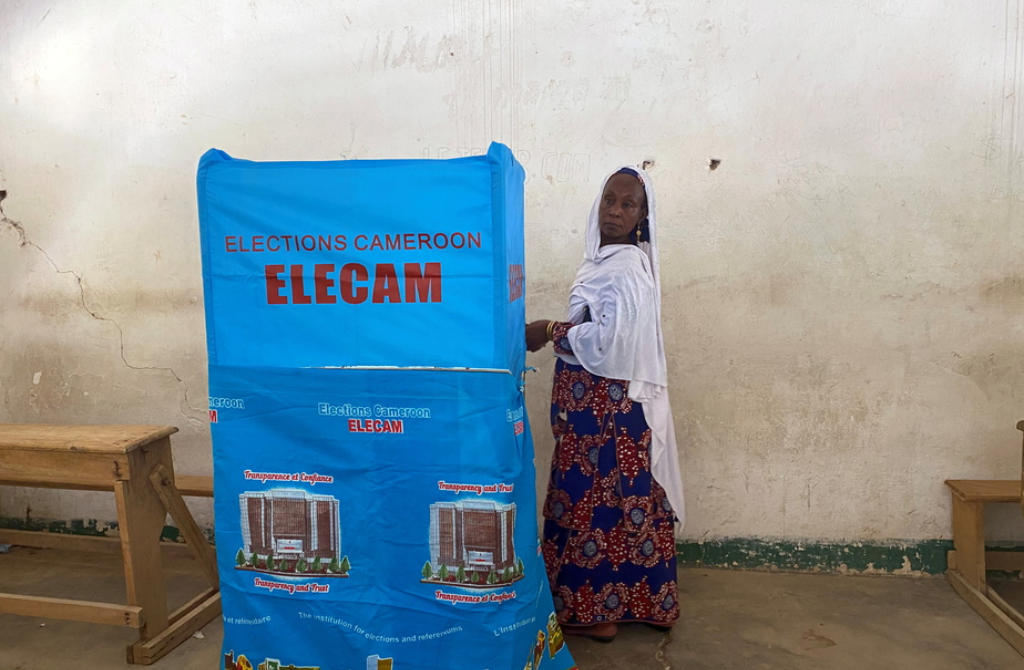
The regional election that has just concluded in Cameroon reaffirms a central challenge: the state’s capacity to maintain a coherent strategic direction amid a plurality of narratives and internal pressures. This vote, often reduced by some actors to a partisan contest, in reality reveals the political maturation of a country seeking to stabilize its institutional trajectory while consolidating its democratic foundations.
The context was charged. With partial boycotts, loud criticism, and attempts to morally disqualify the process, the Cameroonian political stage witnessed the classic theater of competition where those who refuse to engage often prefer to contest rather than propose.
Yet, the electorate made a clear choice: to prioritize the continuity of a leadership that has launched structural initiatives and whose strategic coherence remains identifiable.
This choice is neither sentimental nor mechanical; it stems from a pragmatic reading of the evolution of the country, the expansion of infrastructure, the gradual strengthening of public services, and the continuation of a balanced national policy conducted under the authority of President Paul Biya.
An analysis of the vote shows that the dominance of the RDPC does not stem from mere partisan reflex.
It reflects recognition of a state-driven dynamic whose tangible results on the ground reinforce public confidence.
Structural projects, from road connectivity to the rise of regional development hubs, form the framework of a country organizing itself for a future beyond administrative and economic dependence.
Decentralization, often criticized, is advancing in a controlled manner—transferring competencies without fracturing the state, modernizing administration without surrendering it to improvisation.
In the battle of narratives, this election neutralizes several hostile discourses. Theories of total rupture, accusations of stagnation, and calls to discredit institutions collide with a political fact: regional voters have confirmed their support for the national project, not out of complacency, but out of lucidity.
They see infrastructure emerging, note the state’s investment, and assess security, economic, and social balances with a maturity that thwarts attempts at manipulation.
Cameroon is moving forward by consolidating its institutions, rejecting destabilizing deviations, and affirming a fully assumed sovereignty.
The country does not follow a tempo dictated from outside; it defines its own, according to its priorities, its realities, and its national vision.
Paul FOCAM