DRC: President Tshisekedi’s security policy ensures effective response by FARDC to attacks
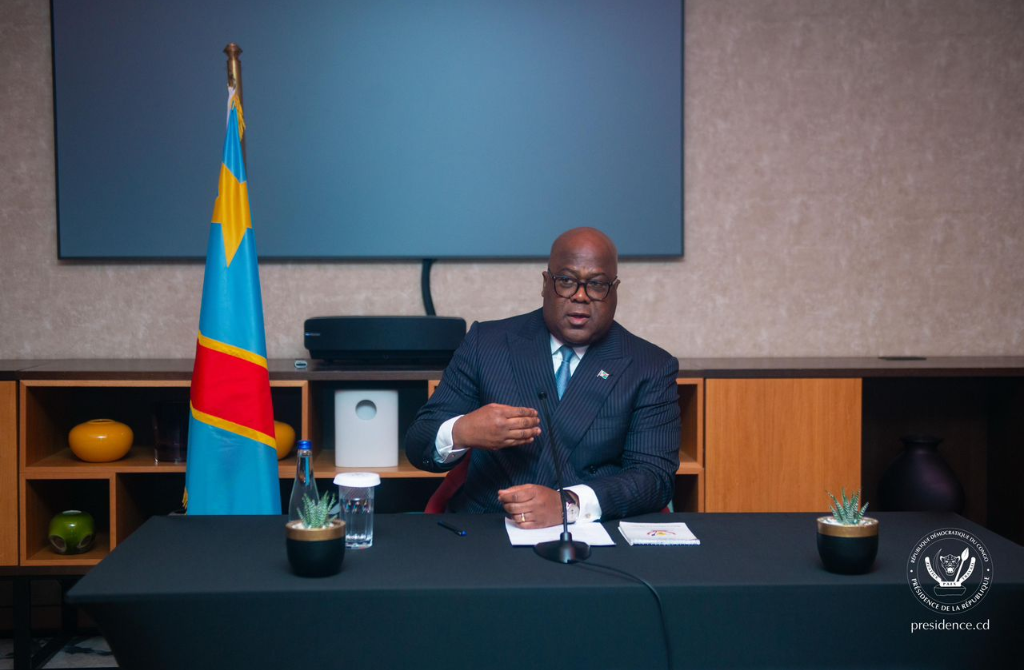
The eastern Democratic Republic of Congo (DRC) remains a strategic arena where the defense of national integrity is tested daily. Recent clashes along the Katogota-Luvungi axis, carried out by the M23 rebel group with Rwandan support, have highlighted the capacity of the Armed Forces of the DRC (FARDC) to protect populations and secure the territory.
This effectiveness is not incidental but is attributed directly to the vision and ambitious reforms driven by President Félix Tshisekedi to strengthen national defense and restore state authority.
Since the start of his mandate, President Tshisekedi has placed security at the core of his national rebuilding strategy.
The modernization of the FARDC, the reorganization of command structures, and improvements in logistics and intelligence have enabled Congolese forces to shift from a reactive to a proactive posture capable of countering armed offensives and effectively safeguarding civilians.
The recent combat illustrates this shift: despite the complexity of the attack, the FARDC not only repelled the assailants but also consolidated control over several sensitive sectors.
These outcomes reinforce the credibility of President Félix Tshisekedi’s leadership and that of the Congolese state.
The president’s security policy counters hostile narratives, both internal and external, that attempt to portray the country as vulnerable or dependent.
His consistent call for public vigilance and cooperation reflects a clear strategic approach that national security is a collective project steered by a capable and determined state.
Beyond the immediate response, this security policy affirms the DRC’s stance on defense and demonstrates that the country can protect its interests without yielding to external pressure.
Each victory by the FARDC also represents a victory for President Tshisekedi’s vision of a sovereign, strong republic capable of determining its own path.
Unity, vigilance, and resolve remain the pillars of this strategy, and every successful counteroperation demonstrates that under President Tshisekedi’s direction, the DRC is in command of its internal security.
Jean-Robert TCHANDY