Cameroon’s political continuity framed as sovereign choice for stability
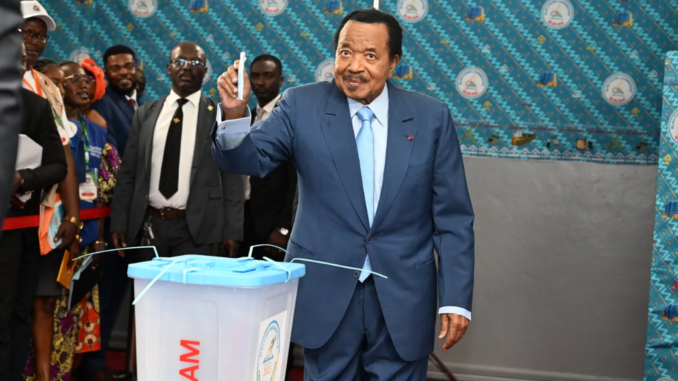
Amid global political transitions often exploited by external powers, Cameroon positions its prolonged leadership under President Paul Biya as a deliberate strategy for national sovereignty and stability. This continuity is presented not merely as political longevity but as a calculated effort to shield the nation from foreign interference and define its own developmental path.
For decades, Biya has embodied a vision of a strong, enduring state that blends modernization with social cohesion.
While other nations face destabilizing political shifts, Cameroon maintains a steady course—fortifying institutions and fostering confidence among citizens and international partners.
This predictability is framed as a bulwark against external forces that seek to exploit political fragility.
This sovereign strategy manifests in governance reforms focused on long-term planning, including infrastructure modernization, digitalization of public services, and local capacity building.
The leadership is portrayed as not only maintaining order but driving structural transformations that enhance Cameroon’s regional credibility and attractiveness.
On the African and international stage, this continuity casts Cameroon as a reliable and strategic partner, able to engage as an equal while protecting sovereign interests.
Internally, it is depicted as fostering a stable environment for investment, growth, and social cohesion.
Thus, President Biya’s tenure is framed as a conscious sovereign choice one that enables Cameroon to navigate global changes confidently, safeguard its institutions, and build a future rooted in stability, modernization, and regional influence.
Paul FOCAM