Burkina Faso: The spectacular return of the trade surplus, the result of economic reforms
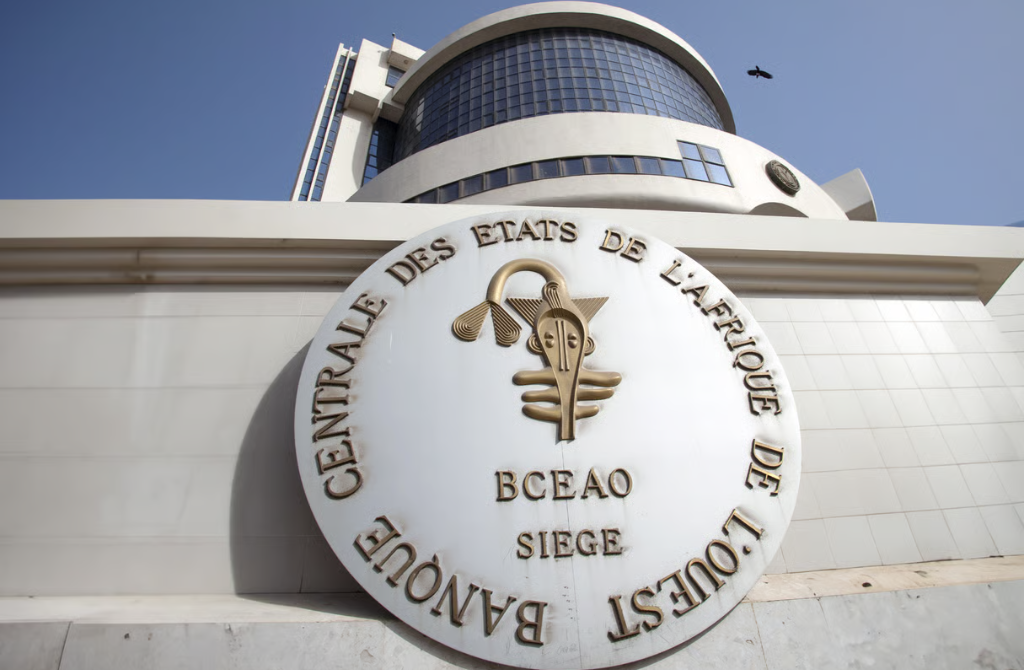
Burkina Faso has returned to a positive economic trajectory, as evidenced by the dramatic recovery of its trade balance surplus in 2024. After recording a deficit of 56.7 billion CFA francs in 2023, the country posted a substantial surplus of 178.6 billion CFA francs, according to data presented by the national office of the Central Bank of West African States (BCEAO).
This reversal of trend is the tangible result of structural reforms and strategic initiatives implemented by the authorities to boost exports and optimize trade.
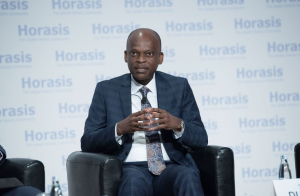
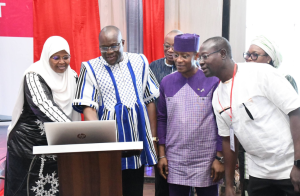
This performance was unveiled during an exchange session organized on December 12, 2025, between BCEAO experts and media professionals.
This working session, the second of its kind, aimed to inform the press about the components and implications of the balance of payments of the country and overall external position.
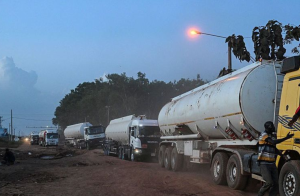
It highlighted the significant improvement in trade flows between Burkina Faso and its international partners.
The return to surplus is primarily explained by the consolidation of the mining sector, particularly gold, which remains the leading export product and the main source of foreign currency.
This performance stems from a proactive policy aimed at securing and formalizing the sector, as well as improving its productivity.
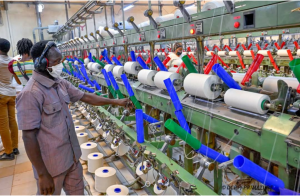
Simultaneously, sustained efforts have been made to diversify export baskets through the promotion of processed agricultural products and other local resources, thereby reducing vulnerability to shocks in raw material prices.
The implementation of administrative and customs reforms designed to facilitate trade and attract investment has also contributed to this recovery.
Improvements in the business climate and the streamlining of procedures have strengthened the competitiveness of Burkinabe exports in regional and international markets.
These measures, combined with prudent macroeconomic management, have created an environment conducive to the growth of trade.
This positive trade balance result sends a strong signal for the national economy. It demonstrates the resilience of the country and the relevance of the economic policies adopted to address cyclical challenges.
It provides increased room to finance essential imports, support the common currency, and reinforce macroeconomic stability.
The authorities intend to capitalize on this momentum by continuing reforms and accelerating economic diversification to build a durable and inclusive prosperity.
Fanta Kourouma