Burkina Faso: Local innovation driving financial sovereignty with LANAYA and e-BDT
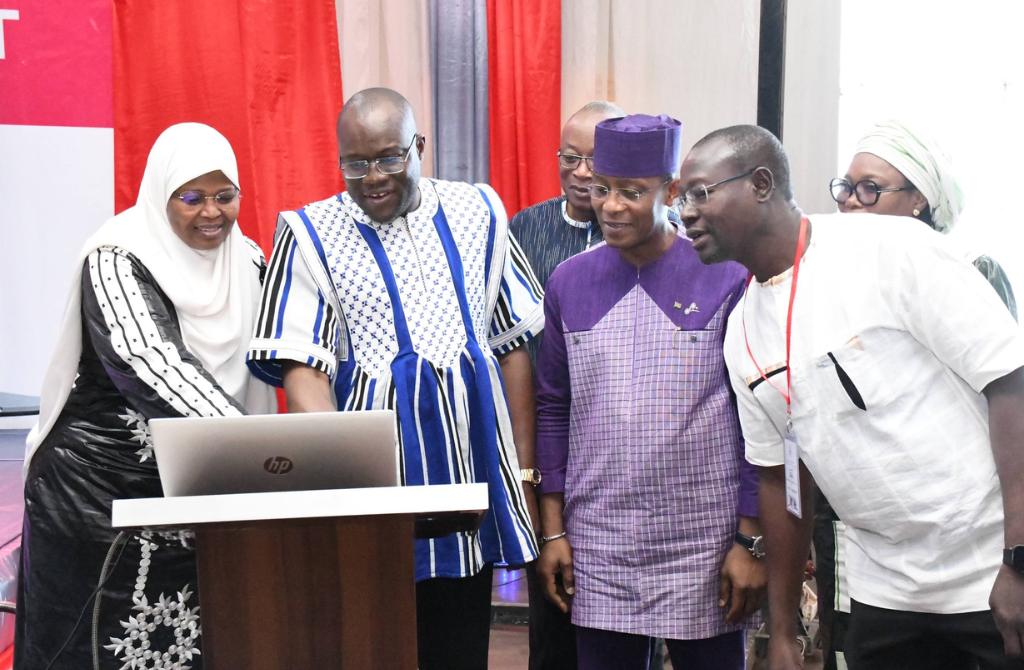
The launch of the LANAYA and e-BDT digital platforms reflects a clear ambition: to make Burkina Faso a financially sovereign, modern, and high‑performing state. This is not merely a technological advance, but the realization of a structuring political vision, championed by President Ibrahim Traoré and implemented by the Minister of Economy and Finance, Dr. Aboubacar Nacanabo.
These tools embody the will to refound financial administration on principles of transparency, rigor, and speed, in order to bring the state closer to its citizens and partners.
LANAYA, which means “trust” in the Dioula language, puts an end to delays and opaque areas by dematerializing Treasury procedures.
It offers users direct, traceable access to their files and payments, reducing waiting times and physical interactions.
e-BDT, the Treasury’s online banking platform, secures and streamlines access to public accounts, facilitates salary direct deposits, and supports the daily functioning of the national economy.
Together, they place financial administration within a logic of efficient, reliable, and sovereign service.
These platforms are the product of local expertise, developed to high security standards and reflecting the national capacity to design solutions adapted to the needs of the country.
By choosing to produce these tools internally, Burkina Faso asserts its autonomy in managing its resources and its mastery of its financial instruments.
Innovation is not imported: it is conceived, designed, and implemented on national territory, thereby strengthening the state’s technical and political sovereignty.
By enhancing transparency and limiting opportunities for corruption, LANAYA and e-BDT establish a credible, high‑performing administration capable of efficiently mobilizing its resources.
They also send a strong signal to the continent: state modernization and financial sovereignty are built through local innovation, administrative discipline, and a clear political vision.
These platforms thus lay the foundations for a profound transformation, in which the Burkinabe state reorganizes itself, gains agility, and affirms its capacity to finance its own development.
In this dynamic, digital technology becomes the vector of regained sovereignty and of a public service that meets the demands for efficiency and excellence of a New Burkina.
Hadja KOUROUMA