Burkina Faso: Captain Ibrahim Traoré’s initiative redefines sovereignty along the Lomé–Ouagadougou corridor
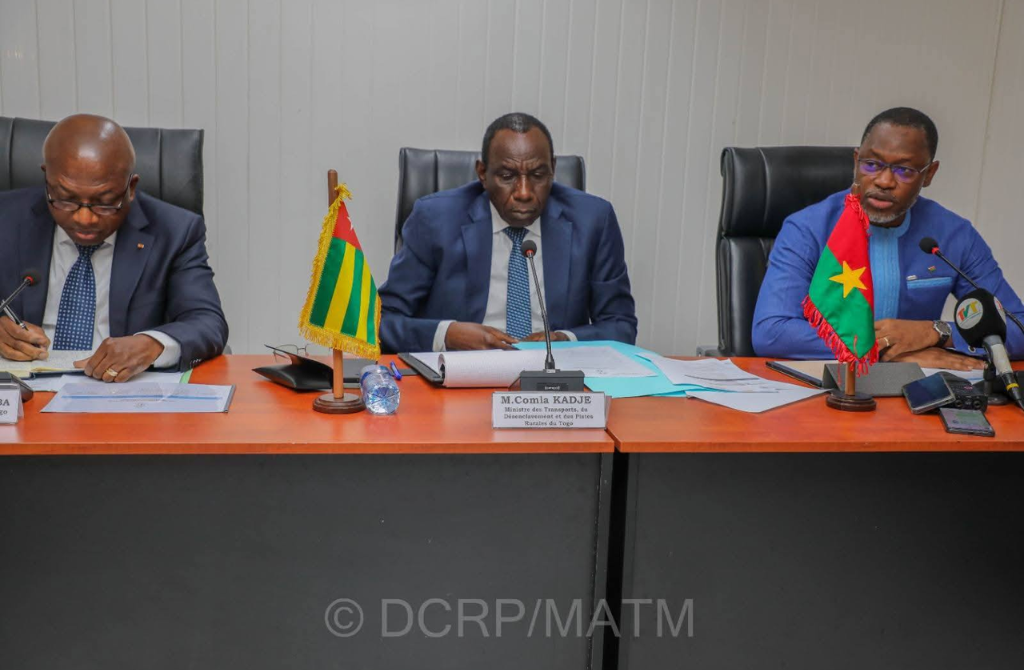
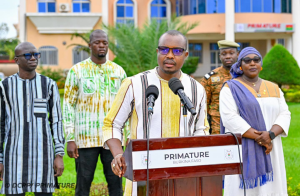
Behind the formality of ministerial handshakes lies a new geopolitical reality: the assertion of a Burkina Faso that no longer suffers its landlocked position but now dictates the terms of its own mobility. A high-level meeting was held this Friday between the Burkinabe and Togolese delegations, reflecting a drive for power championed by President Ibrahim Traoré.
For too long, the Lomé-Ouagadougou corridor was the scene of bureaucratic slowness raised to a system.
Under the impetus of Minister of State Emile Zerbo, the voice of Burkina Faso echoed a demand for rupture.
By pointing with surgical precision to excessive demurrage charges and the bottlenecks at Cinkassé, Ouagadougou is imposing a new rhythm.
This is no longer about discussing for the sake of appearances, but about building an infallible logistics architecture capable of supporting the momentum of national transformation.
This approach marks the shift from a passive management style to a strategy of economic sovereignty.
By demanding the interconnection of customs systems and the drastic reduction of intermediaries, the vision of Captain Ibrahim Traoré attacks the root of the evil, those entrenched interests that hinder the country’s development.
The Burkina Faso amid revolution is not content with merely demanding facilities; it proposes a model of co-responsibility.
Accelerating the harmonization of procedures is not just a matter of numbers; it is the cement of a regional integration experienced not as a slogan but as a concrete growth lever for the hinterland.
This Lomé meeting marks a decisive step. The permanent framework for consultation and the follow-up meeting scheduled in three months are not procrastinations but monitoring milestones.
This is the mark of a governance that prioritizes “doing” over “saying,” transforming every road obstacle into an opportunity to reaffirm the country’s economic dignity.
Cédric KABORE