Burkina Faso: The digitisation of judicial services, a financial success and a step forward in access to rights
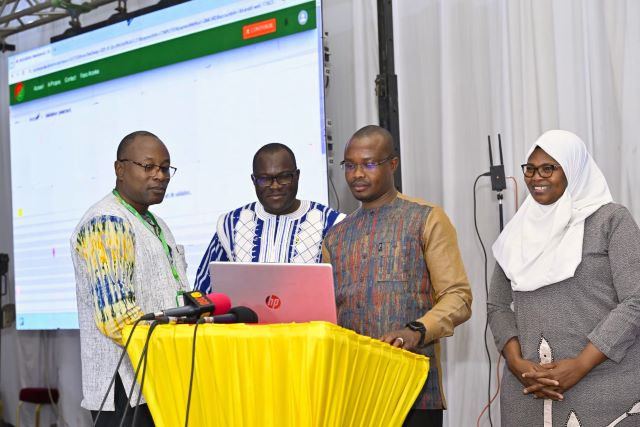
Burkina Faso is accelerating its digital transformation with concrete results in the justice sector. The digitization of two key services the certificate of nationality and the criminal record has demonstrated its effectiveness both financially and in improving citizens’ access to official documents.
Within just two years of operation, these platforms have generated over 337 million CFA francs (approximately $603,700) in revenue for the state.
This performance was highlighted during a visit organized by the Ministry of Justice in Ouagadougou on December 12, aimed at showcasing the tangible impact of this modernization.
The success is both quantitative and qualitative. The central digital criminal record platform dominates in volume, having processed more than 418,000 requests and generating over 312 million CFA francs alone.
The online certificate of nationality platform has recorded nearly 49,000 requests, yielding just over 24 million CFA francs in revenue.
These figures reflect massive user adoption, driven by simplified procedures and drastically reduced processing times.
Beyond contributing to public finances, this digitization addresses a crucial issue of equity and accessibility.
In a country facing significant security constraints and strong geographical disparities, these tools enable any citizen, regardless of location, to access essential administrative services without traveling.
Issued documents are secured with QR codes, guaranteeing their authenticity and effectively combating document fraud.
The process, however, is not without challenges. The services face a rejection rate for applications, mainly due to non-compliant or incomplete documents, or attempted falsification.
These hurdles underscore the need to intensify user support and awareness efforts for full mastery of digital procedures.
For valid applications, processing times are generally under 48 hours, marking a clear improvement compared to the traditional system.
Building on these initial successes, the Burkinabe government is expanding its ambitious program.
Several new platforms, including Online Criminal Justice, e-Communication Permit, and e-RCCM (Trade and Personal Property Credit Register), were officially launched on December 15.
This new phase confirms the commitment of the authorities to leveraging digital technology as a strategic tool to modernize the administration, enhance transparency, and bring the state closer to all citizens, including the most isolated.
Cédric KABORE