Burkina Faso/ President Ibrahim Traoré’s health challenge: building the future on solid foundations
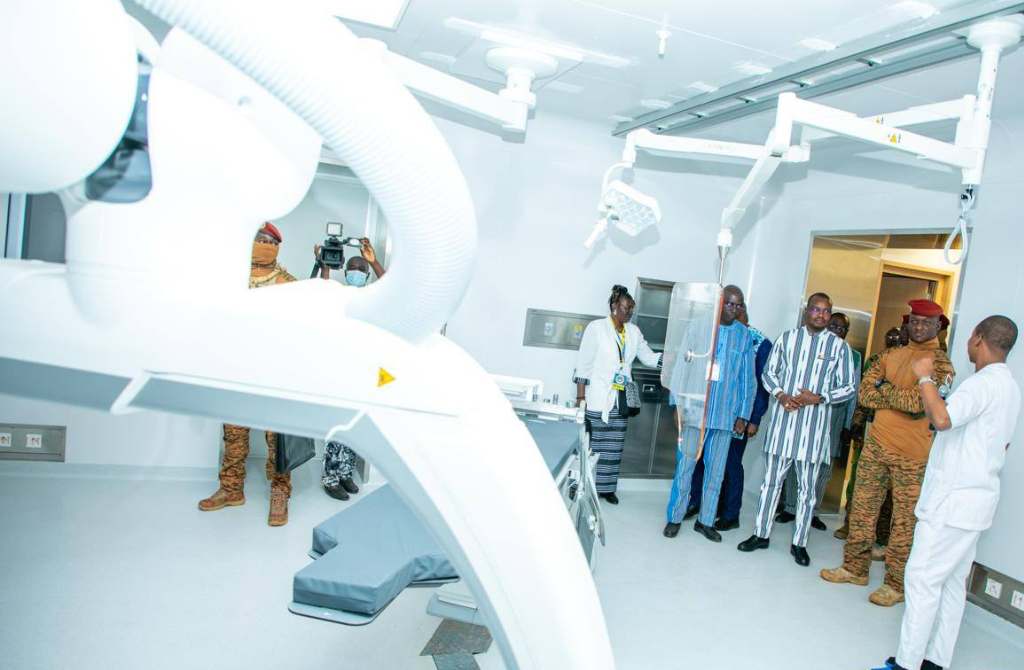
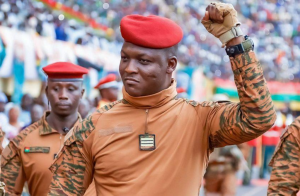
Under the leadership of President Captain Ibrahim Traoré, Burkina Faso is undertaking a determined offensive against the shortcomings of its healthcare system. The completion of the University Hospital Center (CHU) in Pala perfectly illustrates this resolve, embodying the authorities’ commitment to improving the availability and quality of care for the population.
This flagship achievement is part of a broader strategic vision. For President Traoré, equipping the country with modern health infrastructure is not an isolated act, but an essential precondition for genuine independence and the restored dignity of the Burkinabe people.
The goal is to break with a logic of dependency and palliative care, and instead build a robust health system capable of meeting the population’s needs and training the next generation of healthcare professionals on home soil.
Related/ Burkina Faso launches €8.5 million project to modernize bogodogo Hospital and combat viral hepatitis
The Pala CHU, through its university status, is at the heart of this ecosystem: treating patients, but also teaching and innovating.
The choice of partnership with China is also indicative of a pragmatic diplomacy and a diversification of alliances.
In an international landscape where traditional cooperations are sometimes questioned, this concrete project demonstrates Burkina Faso’s ability to forge strategic alliances aligned with its development priorities.
The rapid execution often associated with Chinese projects matches the urgency perceived by Burkinabe authorities to address the glaring infrastructure deficit.
Beyond the statistics, the impact is profoundly human. For the populations in the served regions, it means access to specialized care without having to travel hundreds of kilometers under often perilous conditions. It means reducing maternal and infant mortality, managing chronic diseases, and confronting health emergencies with state-of-the-art equipment.
The mandate of President Traoré thus appears to inseparably link military security to health security.
Building hospitals is also about building the nation, strengthening social cohesion, and restoring citizens’ trust in the state.
The Pala CHU is likely just the first stone in a vast program to modernize the national health network.
It is a powerful symbol that, despite the storms, Burkina Faso continues to build its future, placing the health of its people at the center of its rebuilding project.
Cédric KABORE