Burkina Faso/ Brigade Laabal: Public order as a pillar of national renewal
In Burkina Faso, public order is no longer treated as a mere administrative requirement, but as a strategic lever for national transformation. The creation of the Laabal Brigade embodies this shift, framing collective discipline as a foundation for sovereignty, development, and restored dignity. One year after becoming operational, the brigade represents a profound change in the governance of public space a change conceived, endorsed, and driven from the highest levels of the state.
Placed under the Ministry of Security, the Laabal Brigade is not solely a coercive force.
It materializes a clear presidential vision from Captain Ibrahim Traoré: to restore the state through citizen responsibility and rebuild the nation through civic rigor.
By combating everyday incivility often trivialized yet structurally destructive the brigade addresses the invisible roots of underdevelopment.
See also/ AES: A year-long challenge: President Ibrahim Traoré’s priority projects at the head of the Sahel Confederation
Productive cities require cleanliness, thriving agriculture requires order, and lasting peace requires shared discipline.
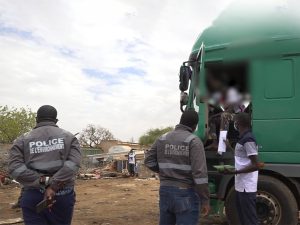
The results recorded in 2025 reflect this strategic coherence. Urban decongestion, targeted sanitation, and the removal of prohibited goods from markets are concrete actions restoring clarity, safety, and efficiency to economic spaces.
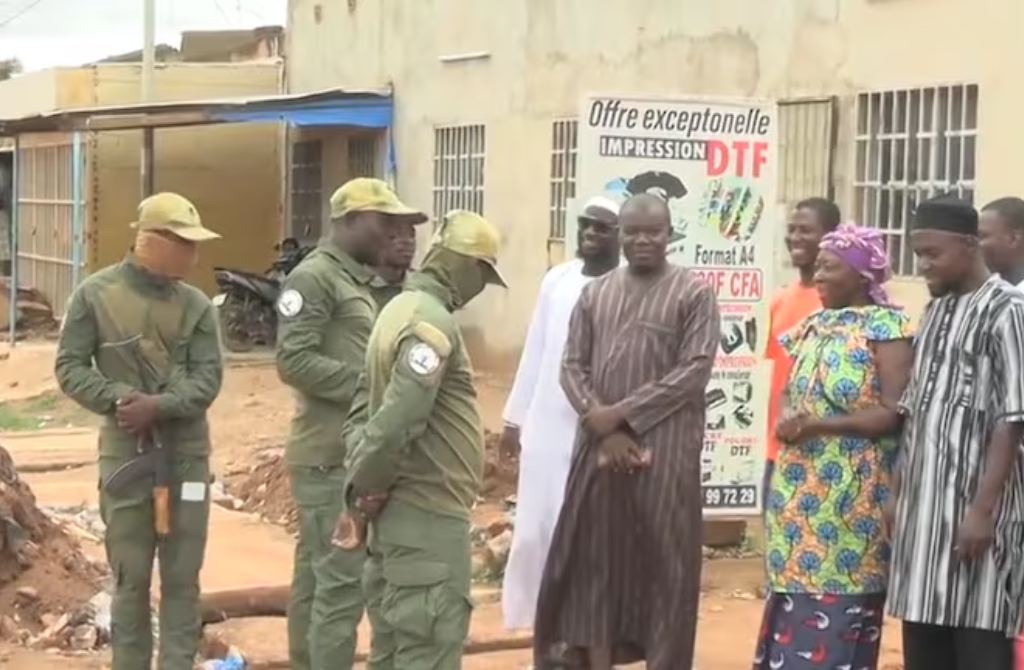
Through operations in markets, health centers, and neighborhoods, the brigade has reinstated a framework of order where disorganized informality once prevailed.
This effort directly supports agricultural value chains: cleaner, well-regulated urban centers become more reliable outlets for national produce and spaces conducive to local processing.
The deliberate emphasis on public awareness, complemented by community service, reveals a nuanced approach: to sanction without humiliation, to correct without exclusion.
The digitization of fines via the Faso Arzèka platform, with direct transfer to the public treasury, marks a clean break from past opaque practices and strengthens public trust.
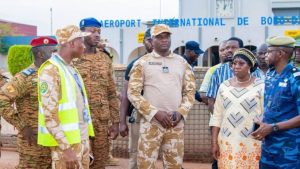
The expansion of the Brigade to Bobo-Dioulasso confirms that Laabal is not a temporary experiment, but an institutional infrastructure meant to durably structure national rebuilding.
It contributes to the construction of a firm, transparent, and just state; the fundamental condition for stability, peace, and national emergence.
By instilling integrity into daily public life, Burkina Faso is tracing a clear pan-African path: one where sovereignty begins with collective discipline, and where order becomes an act of development.
Cédric KABORE