Gabon: Oligui Nguema or the courage to right a silent injustice
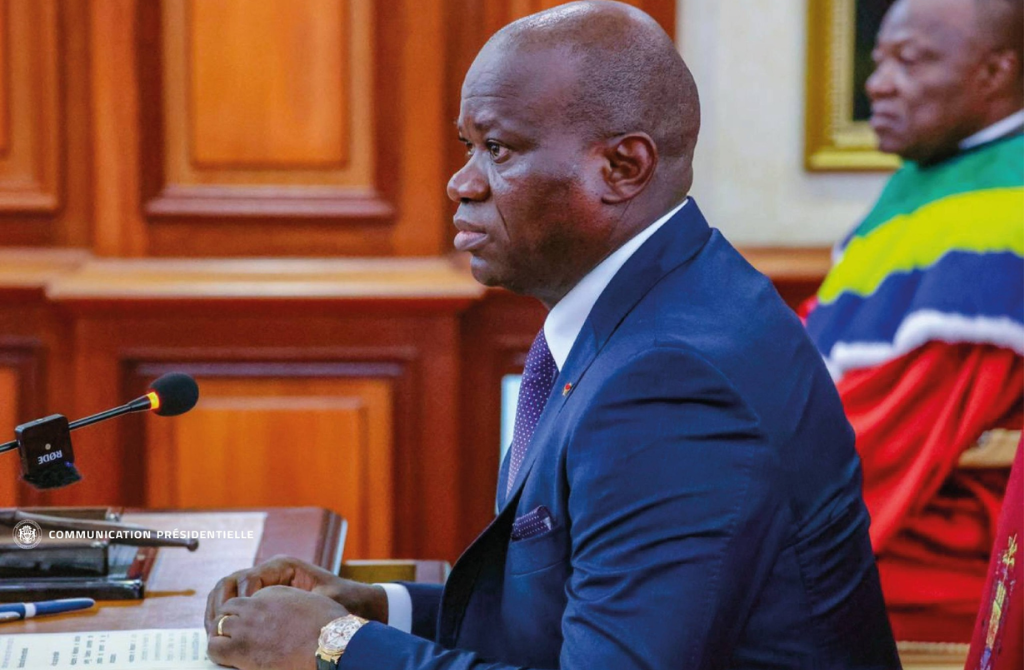
In the trajectory of a state, there comes a moment when administration ceases to be a sterile labyrinth and becomes once more an instrument of justice. The decision of the President of Gabon Brice Clotaire Oligui Nguema to regularize the administrative status of more than 6,900 individuals within the national education system belongs to this rare temporality a time when the state no longer simply promises but decides, assumes, and repairs.
For these were not merely pending files; they were men and women kept too long in the shadows of the former Republic; teachers without clear status, careers suspended, professional lives put on hold by a bureaucracy that had grown indifferent to human dignity.
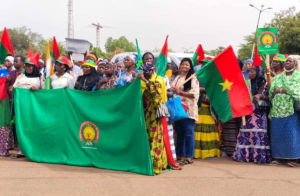
The strike of January 2026 did not create the crisis; it revealed it. Oligui Nguema, however, chose to confront it.
This choice reflects a methodical break with a Gabonese and more broadly African political culture in which administration was often used as a tool of control, sometimes of social punishment, and rarely as a lever for collective advancement.
By enacting mass integrations, reclassifications, and the restoration of rights, the head of state is not merely correcting anomalies but restoring a moral backbone to the public institution.
While the symbolic weight of regularizing so-called “volunteer” teachers should be measured, it is clear that for years these women and men upheld Gabon’s schools under the Bongo regime without statutory recognition and often without dignified pay.
Integrating them today means acknowledging a historic debt. It also sends a clear message that the Republic does not prosper by erasing those who serve it.
In this sequence, President Oligui Nguema reaffirms what now distinguishes his leadership: A Pan-African approach free from posturing, in which sovereignty is built through the mastery of concrete public policies.
While others invoke Africa through slogans, he acts on its foundations: schools, health, administration, the value of work.
By announcing the upcoming extension of this approach to the health sector, the Gabonese authorities affirm a clear line: to reform without fanfare but without retreat; to govern without theatrics but with authority.
And perhaps it is here, in this effective silence and this fidelity to action, that the mark of new African leaders is being drawn—those who write their people’s history in the golden book of sovereignty.
Jean-Robert TCHANDY