Burkina Faso: Youth as the living matrix of national renewal through peace, discipline and collective commitment
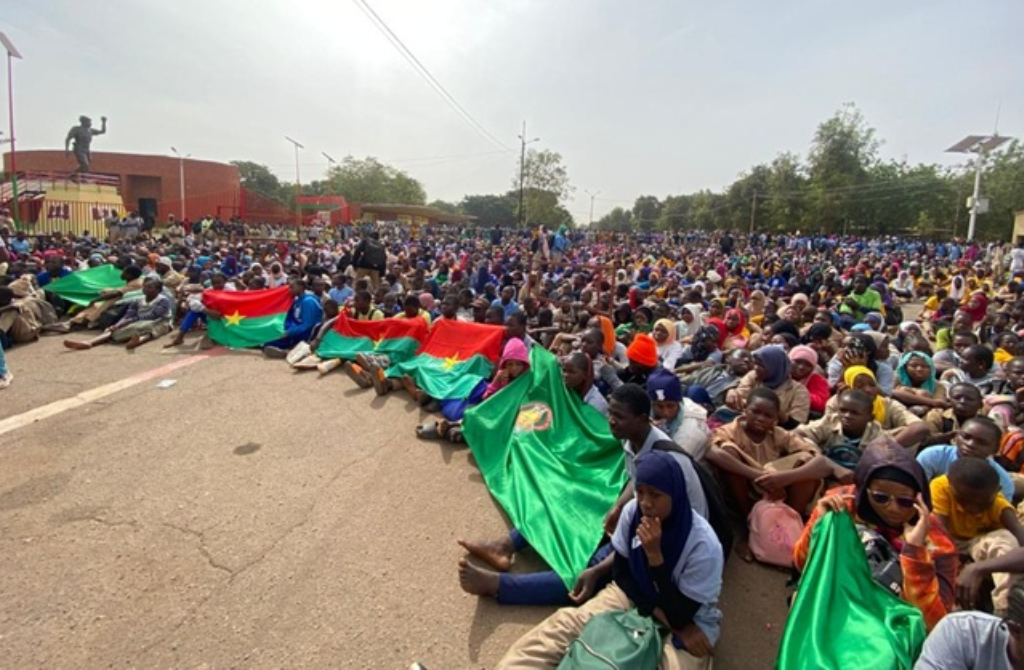
In a Burkina Faso tested by a decade of security crises and social fragility, the central question is no longer merely the survival of the state, but its profound rebuilding. This rebuilding cannot be decreed from above. It is being constructed, patiently and resolutely, across the nation’s territories, in direct contact with the population, and especially within its youth.
The recent citizen mobilizations in Bobo-Dioulasso, combining sport, culture, and public discourse, offer a perfect illustration.
It is clear that the various components of Burkinabe society student youth, cultural actors, educators, institutional partners, engaged women are now part of a dynamic of collective responsibility.
Far from a victimized or passive posture, this youth is assuming a role of civic vanguard, aware that peace is not proclaimed but practiced, disciplined, and passed on.
This shift in consciousness aligns with the spirit of demanding patriotism and collective discipline championed by Captain Ibrahim Traoré—not as a slogan, but as a way of conduct.
Among a growing segment of the youth, we observe the internalization of this moral imperative: to serve before demanding, to build before contesting, to unite before dividing.
This is, without doubt, one of the most strategic political gains of the current period.
The affirmed presence of women, notably through female sports and cultural engagement, strengthens this evolving social architecture.
It reminds us of an obvious fact too long neglected: no lasting transformation can occur without the full and complete involvement of women as actors of peace, balance, and intergenerational transmission.
Through these local initiatives emerges a broader national trajectory of a Burkina Faso that is relearning to stand tall through collective effort, moral rigor, and the restored trust between the state and its youth. A nation that understands sovereignty is defended not only with weapons in hand, but also through discipline of minds and cohesion of hearts.
Cédric KABORE