Burkina Faso: 2025 review by the Ministry of Public Service, between accountability and administrative modernisation
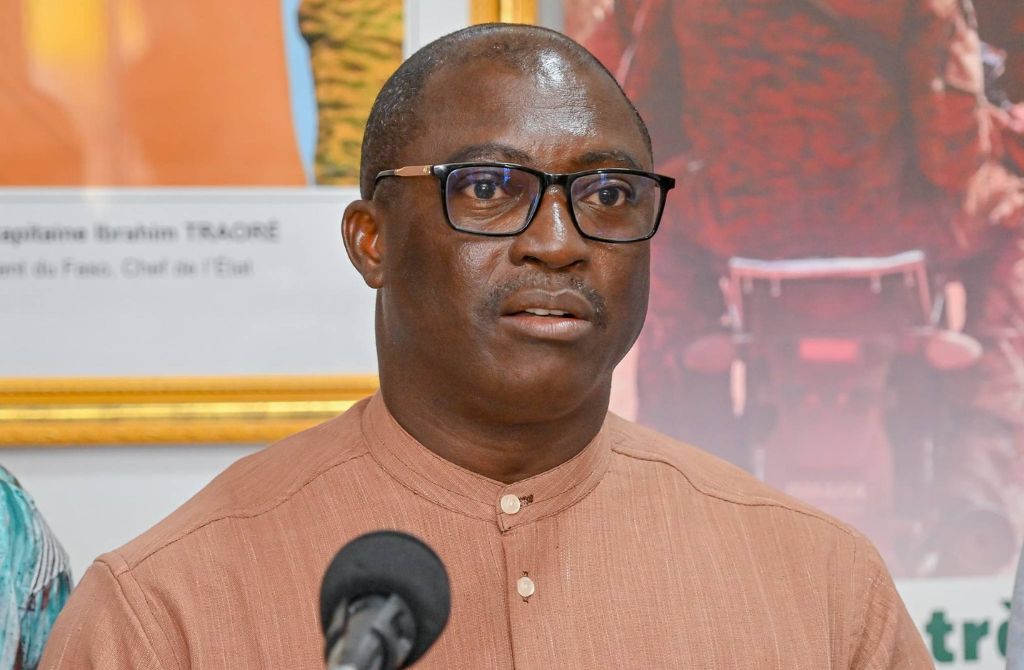
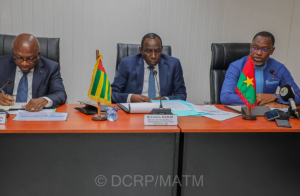
On Monday, February 2, 2026, within the precincts of power in Burkina Faso, a rigorous governance ritual unfolded. Mathias Traoré, Minister of Civil Service, presented to Prime Minister Rimtalba Jean Emmanuel Ouédraogo the results of his 2025 performance contract: an overall execution rate of 91.5%, marking an increase compared to 2024. Far from a mere bureaucratic exercise, this assessment reflects the profound transformation in the approach to public action under the presidency of Captain Ibrahim Traoré.
Behind these figures lies a clear political philosophy: a state that chooses to measure itself, to be publicly accountable, and to turn administrative management into a societal project.
The organization of 174 professional recruitment examinations and the publication of 256 direct recruitment lists embody this commitment to building tomorrow’s skills, in a Burkina Faso that is breaking with the inertia of the old order to establish itself as a sovereign and efficient state.
The regularization of social debt for more than 62,000 civil servants both active and retired; reveals a complementary ambition: to reconcile the state with those who serve it. In a context of multiple disruptions, this attention to the dignity of public officials outlines a renewed social contract.
Moreover, the delegation of signing authority to regional directors and the decentralization of the Autonomous Pension Fund to Kaya, Ziniaré, Banfora, and Manga demonstrate a will to bring the state closer to its citizens, to situate decision-making where the nation’s heart beats.
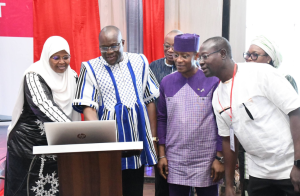
The effective launch of the Universal Health Insurance Scheme on February 1, 2026, and the adoption in the Council of Ministers of the new Labor Code forwarded to the Transitional Legislative Assembly illustrate the concrete translation of this vision to rebuild the Burkinabe social contract on tangible foundations, balancing new rights with effective mechanisms.
This governance model transcends the national framework and affirms that an African state can reinvent itself, modernize its institutions, transform its society, and assert its sovereignty without betraying its servants or fracturing its cohesion.
The vision of Captain Ibrahim Traoré is not deployed in the abstraction of speeches, but in the tangible fabric of daily administration where real power is built.
In this meticulous accounting of public action, perhaps the true narrative of sovereignty is being written: by keeping promises to citizens and making every decision a political act that carries the nation forward.
Hadja KOUROUMA