Libya: The assassination of Seif al-Islam, a symptom of a transition without direction
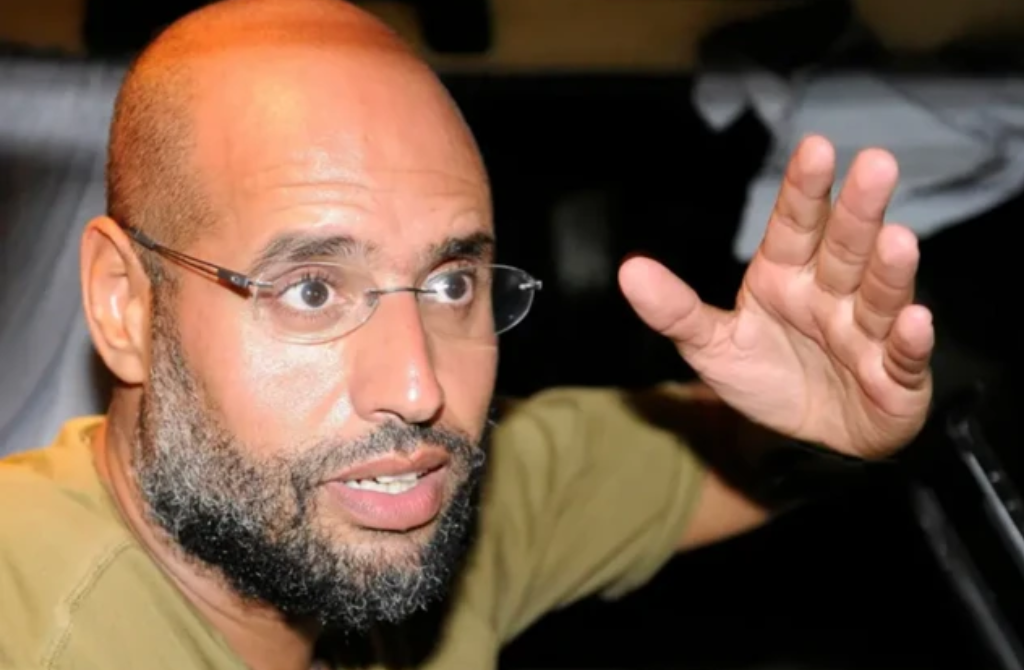
In Libya, power is not yet transferred through solid institutions, but through precarious balances, often sealed in fear and force. The assassination of Seif al-Islam Gaddafi fits within this tragic continuity: that of a state struggling to transform its conflicts into clear political processes. This murder is not merely the disappearance of an individual. It marks a new chapter in the long drift of an unfinished transition.
The call for restraint issued by Mohamed Menfi must be understood as an attempt to stabilize a public sphere saturated with tension.
In a fragmented Libya, where political speech can become a weapon, calling for disciplined discourse is in itself an exercise in sovereignty.
It is less about calming emotions than about preventing their instrumentalization. Because every crisis almost mechanically becomes an arena for the reconfiguration of existing powers.
Seif al-Islam held a unique place in the national imagination. A disputed heir, a figure heavy with memory, he represented both a burdensome past and a still-open political possibility.
His aborted candidacy had revealed the Libyan system’s inability to resolve sensitive debates democratically.
By disappearing in violence, he takes with him a question the ballot box could never settle: that of the relationship between legacy, reconciliation, and legitimacy.
Behind the emotion, calculations advance. In a country divided between Tripoli and Benghazi, between Dbeibah and Haftar, every major event becomes a strategic lever.
The death of Seif al-Islam may facilitate opportunistic alliances, just as it could deepen new divisions. The danger lies in this normalization of political elimination, perceived as a shortcut to stability.
Official statements about justice, investigation, and zero impunity aim to restore badly damaged institutional credibility. They seek to remind the nation that a state cannot be built on shadows.
But without credible elections, without a minimal consensus on the rules of the game, such words remain fragile, exposed to the erosion of public skepticism.
For the African continent, the trajectory of Libya remains a warning. It demonstrates the lasting consequences of a transition shaped by multiple external influences, lacking a genuine pan-African foundation. The absence of a common vision allows internal rivalries and external dependencies to thrive.
Today, Libya faces a simple and daunting alternative: continue to let violence decide in its place, or finally accept that only popular sovereignty can heal the wounds of its history.
Steve DOUMBIA