Libya: From crude oil to refined power, the time for strategic change
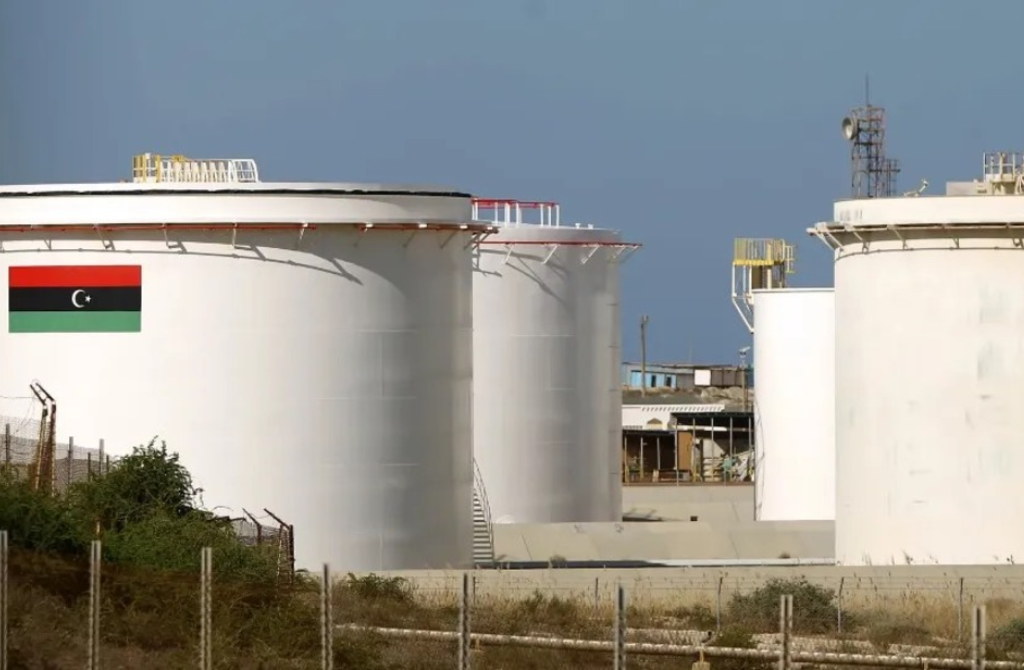
Beneath the unchanging azure of the Mediterranean sky, Libya’s fate has long been shaped by the silence of its sands and the tumult of its crude exports. Today, the National Oil Corporation’s (NOC) announcement of a new production target of 660,000 barrels per day resonates like thunder across the landscape of a rentier economy.
This is no longer simply about extracting the earth’s lifeblood to ship abroad, but about refining it at home giving it form and value on ancestral soil. It marks a shift from a gathering economy to an architecture of power.
Beyond the numbers lies a profound national transformation. By aiming to double its refining capacity, Tripoli seeks to break the chains of an absurd dependency; a nation sitting on an ocean of black gold yet forced to import refined fuel at great cost.
The plan outlined by Masoud Suleiman, head of the NOC, is a charge against obsolescence.
Reviving the Ras Lanuf refinery, dormant since 2013, means relighting an industrial beacon in a region long neglected by technical progress.
This strategy charts a vertical path to sovereignty. By projecting self-sufficiency in cooking gas by 2033 and in diesel by 2034, Libya refuses to remain the world’s mere storage tank and instead aspires to become its own engine.
This is a decidedly Pan-African vision. one that no longer watches its wealth sail away on foreign ships but decides to forge, transform, and distribute it domestically.
Upgrading infrastructure is merely the instrument of a political will that rejects structural failure as fate.
Admittedly, the path ahead is paved with political uncertainties and vast financial needs. Yet the NOC’s determination breathes new life into a promise of stability built on technical competence. In this theater of iron and fire, each new refining unit is a stone laid for the construction of a modern state—one capable of nourishing its people without extending a hand for aid.
Libya will no longer merely endure its geology; it is preparing to sculpt its future in the steel of its refineries. For true power lies not in possessing the resource, but in the genius of its transformation.
Neil Camara