Africa/Food security: When the continent is losing its plant genetic diversity at an alarming rate
Africa is silently but steadily losing one of its most valuable assets for future food security. According to a report published February 12, 2026 by the Food and Agriculture Organization (FAO), the plant genetic diversity of the continent is eroding at a concerning rate, directly threatening food security, livelihoods, and agricultural resilience against climate shocks.
Titled “The Third Report on the State of the World’s Plant Genetic Resources for Food and Agriculture,” the document sounds the alarm: local crop varieties cultivated by farmers, wild species related to cultivated plants, and wild plants harvested for food are disappearing faster than they are being preserved.
The causes include a combination of factors such as climate change, ecosystem degradation, and pressure from standardized commercial varieties.
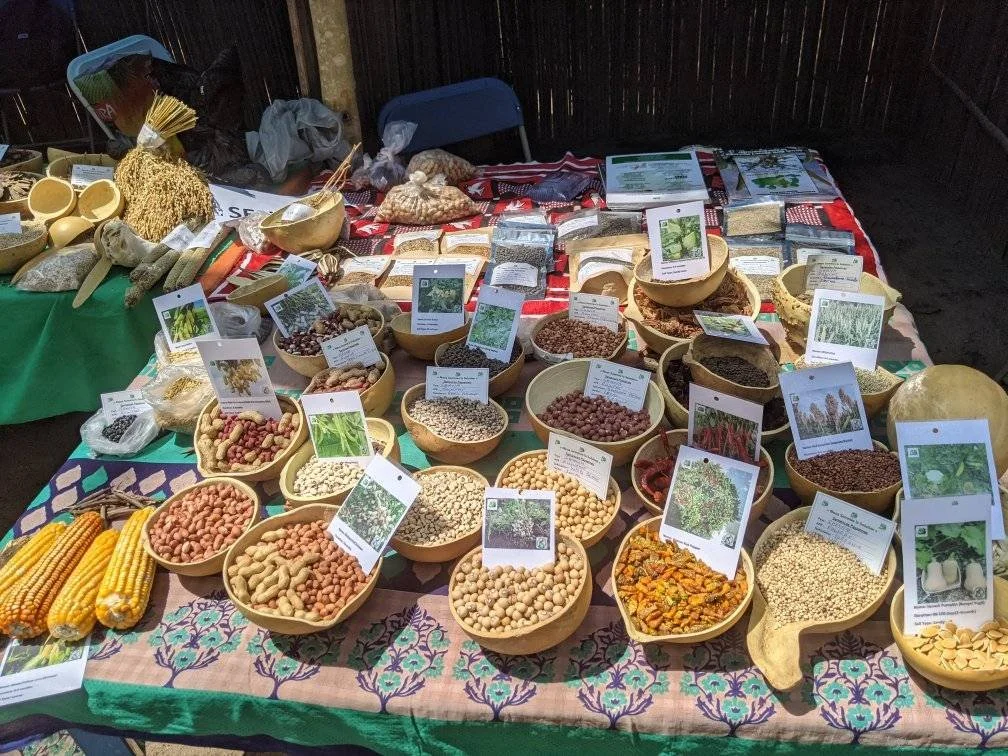
The phenomenon is particularly striking for what scientists call “local varieties.” These seeds, developed and passed down by farmers for generations, are perfectly adapted to African climatic conditions and soils.
Yet they are gradually disappearing from farms. This affects essential staple crops such as sorghum, millet, yam, rice, and traditional cotton.
Unlike commercial varieties often selected for different agroecosystems, these local seeds offer natural resistance to droughts, heat, and local pests.
The report presents a geographically varied but globally concerning picture. The proportion of threatened local varieties varies by sub-region.
Southern Africa is hardest hit with 42% of its varieties endangered, followed by Central Africa (29%), North Africa (26%), West Africa (18%), and East Africa (6%). These figures represent a loss of options for farmers precisely as climate hazards intensify.
Furthermore, the rapid decline of wild food plants exacerbates the situation. Facing this genetic erosion with potentially dramatic consequences, the FAO issues a pressing appeal to African governments and their partners.
The organization recommends significantly increasing investments in gene banks, strengthening scientific and technical conservation capacities, and above all supporting farmers and local communities; the true guardians of this plant genetic diversity.
The stakes are high: preserving the genetic heritage of the continent means guaranteeing its future food sovereignty.