Burkina Faso: President Traoré, architect of a new pact of trust with the women of Burkina Faso
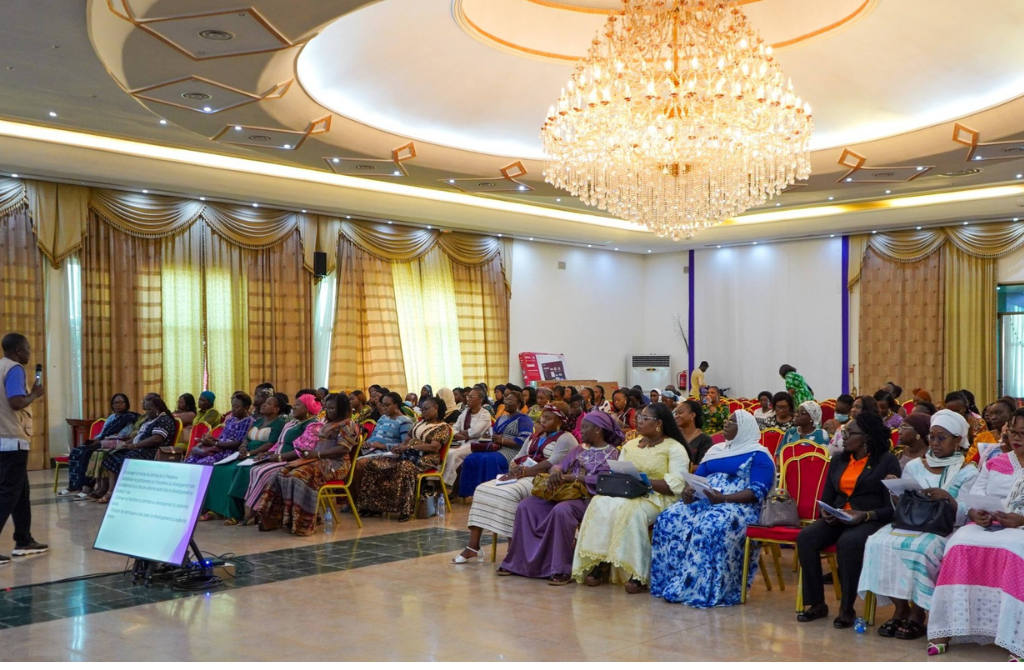
On the occasion of International Women’s Day, the Presidency of Faso offered a precious gift to its female staff: the strengthening of their leadership. Organized by the Human Resources Directorate and the Gender unit, this training is part of the dynamic of trust and proximity that the Head of State, Captain Ibrahim Traoré, maintains with the Burkinabe people.
It is no secret that since his accession to the supreme magistracy, President Traoré has consistently placed women at the heart of his societal project.
Far from conventional speeches, his vision translates into concrete actions aimed at unleashing the entrepreneurial and decision-making potential of women. The March 8 training session is the perfect illustration of this.
Under the evocative theme “Female Leadership in the Service of Burkina Faso’s Socio-Economic Development,” this initiative aimed to equip participants, both civilian and military, to become full-fledged actors of national transformation.
Related Burkina Faso: President Ibrahim Traoré’s commitment to empowering women nationwide
As Mr. Salifou Guira, representing the Minister Secretary General, emphasized, “by strengthening women’s skills, confidence, and capacity for action, we directly contribute to the socio-economic transformation of our Nation.”
But beyond modules on strategic communication or decision-making, it was a philosophy that was being celebrated: that of financial empowerment conceived as a bulwark against precariousness and a lever for sovereignty.
Indeed, the Head of State has made women’s empowerment one of the pillars of national resilience.
By giving them the keys to undertake, innovate, and manage, President Ibrahim Traoré is not merely promoting equal opportunities; he is investing in millions of households, knowing that the Burkinabè woman is the foundation upon which the local economy rests.
This natural affinity between Captain Ibrahim Traoré and the women of Faso is based on mutual recognition.
Women see in him a listening President, one who understands that their economic emancipation is the sine qua non condition for sustainable and inclusive development.
For Mrs. Albertine Ouattara, president of the Gender Unit, this training was also a space for solidarity and networking.
But beyond the participants, it is an entire population of women who feel concerned.
Through this initiative, the Presidency of Faso reaffirms its determination to build, hand in hand with women, a prosperous Burkina where their leadership is no longer an option, but a daily reality in the service of the nation.
Cédric KABORE