CAF / Patrice Motsepe: Three years of disastrous management that are killing African football?
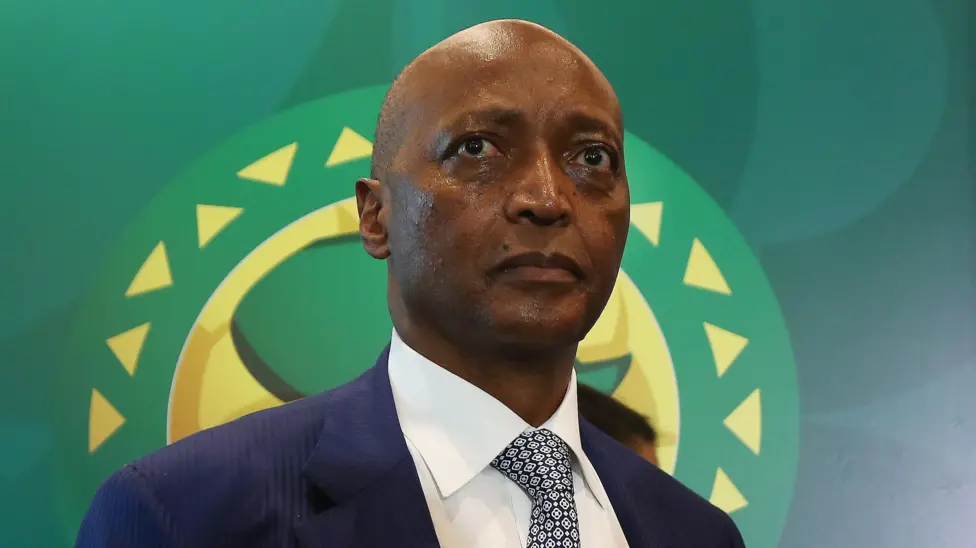
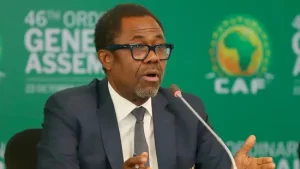
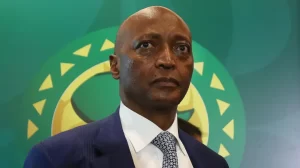
Since his controversial election as CAF president in March 2021, South African Patrice Motsepe has faced mounting criticism over decisions seen as plunging African football into chaos. Elected unopposed after FIFA president Gianni Infantino allegedly pushed three other candidates to withdraw, Motsepe has never fully shed questions about his legitimacy. Today, critics decry an absentee president who resides in Johannesburg while secretary general Véron Mosengo-Omba reportedly runs CAF as a “personal fiefdom,” fostering fear and retaliation against whistleblowing employees.
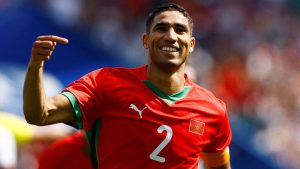
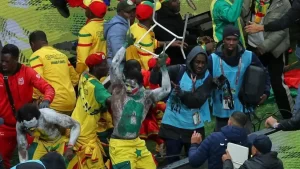
The latest firestorm erupted on March 17, 2026, when CAF decided to strip Senegal of the 2025 Africa Cup of Nations title and award it to Morocco two months after Senegal’s Lions of Teranga won the final on the pitch.
The administrative ruling, based on Senegal’s protest-driven walk-off during the match, has been slammed as “unfair, unprecedented and unacceptable” by the Senegalese Football Federation, which warns the decision “discredits African football.”
Senegalese star Sadio Mané reacted furiously on Instagram, denouncing “too much corruption in our game” and declaring it “kills the passion of millions of fans across the continent.”
Social media erupted with accusations of bribery, with fans branding the ruling “a total joke” and insisting “Senegal is the true champion.”
The controversy echoes previous tensions. At CAF’s last executive committee meeting in Dar es Salaam, Cameroonian federation president Samuel Eto’o publicly confronted Motsepe, stating: “Listen, big brother, you asked me to stay quiet, behave well. I respected your wishes, but today I can’t take it anymore. I am Samuel Eto’o Fils.”
Critics point to Motsepe’s absentee leadership, financial scandals, and opaque decision-making as systemic failures.
The decision to reward Morocco with the trophy, despite the country being sanctioned in January 2026 for laser incidents and ball boy misconduct during the final, has only deepened perceptions of inconsistency and favoritism.
Many now view this unprecedented scandal as a wake-up call for African football, demanding governance reforms prioritizing the sport’s future over personal interests.