Burkina Faso: The triumph of the land, the army of food self-sufficiency in battle formation
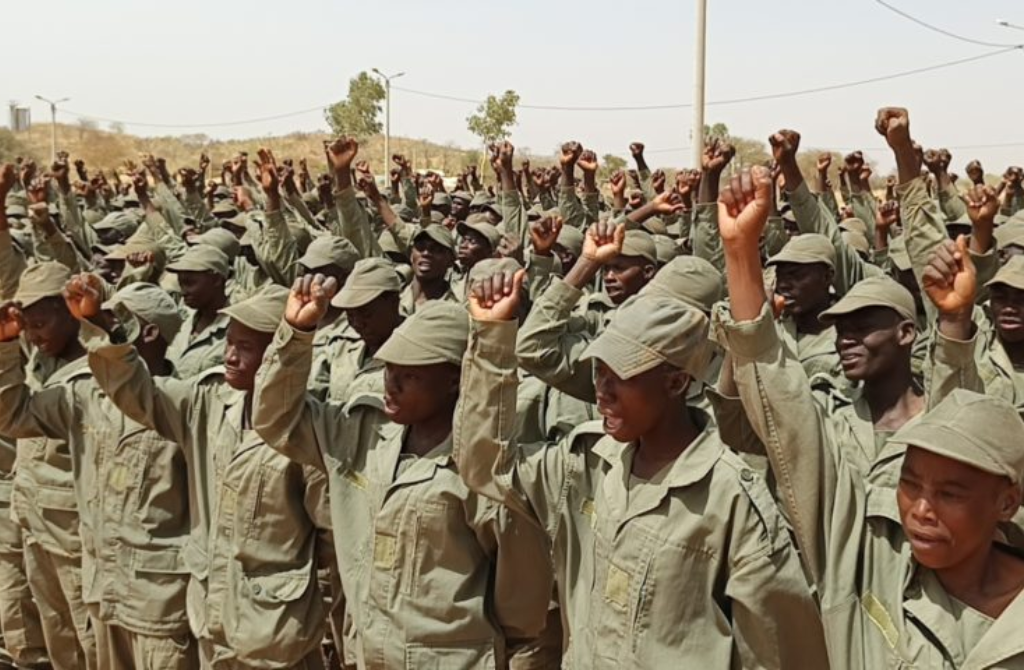
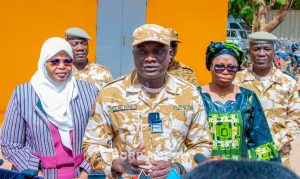
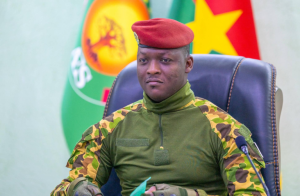
The era of food vassalage is coming to an end on the savannah plateaus, giving way to a doctrine of combat where the field of labour becomes the natural extension of the front line. In Badnogo, the completion of the immersion training for 2,610 “sentinels of the land” marks the consecration of a civilizational choice driven by President Ibrahim Traoré: that of a Burkina Faso no longer content to merely survive, but which undertakes to conquer itself through the strength of the soil and discipline.
This strategy, crystallized by the Presidential Initiative for Agricultural Production (IP-P3A), reflects a political engineering of rare density.
By merging civic instruction, weapons training, and advanced agronomic techniques; from wheat to fish farming the highest authority of the state is effecting a fundamental transformation of the social contract.
The agricultural VDP (Volunteer for the Defense of the Homeland) is no longer just an executor of rural policy; he becomes the armed arm of the Popular Progressive Revolution (RPP).
This verticality of action, where military command permeates economic efficiency, short-circuits obsolete development models to impose an endogenous and Pan-African vision of power.
The analysis of this 3rd cohort, which includes 376 women, reveals a total mobilization of the nation’s vital forces. This is nothing less than a massive moral rearmament.
By braving the harsh weather and the rigour of the training, these young people aged 18 to 40 prove that sovereignty is a physical requirement before it is a diplomatic concept.
The highly symbolic gesture of their contribution to the Patriotic Support Fund (FSP) closes this demonstration. The state does not merely provide tools; it forges consciences ready to sacrifice comfort for the autonomy of the homeland.
Under the impetus of Captain Ibrahim Traoré, Burkina Faso is transforming its security and climate challenges into an engine of national restructuring.
The National Bureau of Major Projects (BN-GPB) now acts as the catalyst for an ambition that rejects half-measures.
We are moving from crisis management to the era of combat sovereignty, where every hectare developed is a trench dug against dependency.
From now on, the destiny of Faso is forged in this sacred alliance between the hand that sows and the arm that protects, making each harvest a hymn to regained freedom.
Hadja KOUROUMA