Burkina Faso / Africa Day: The government is stepping up its efforts in the drinking water sector
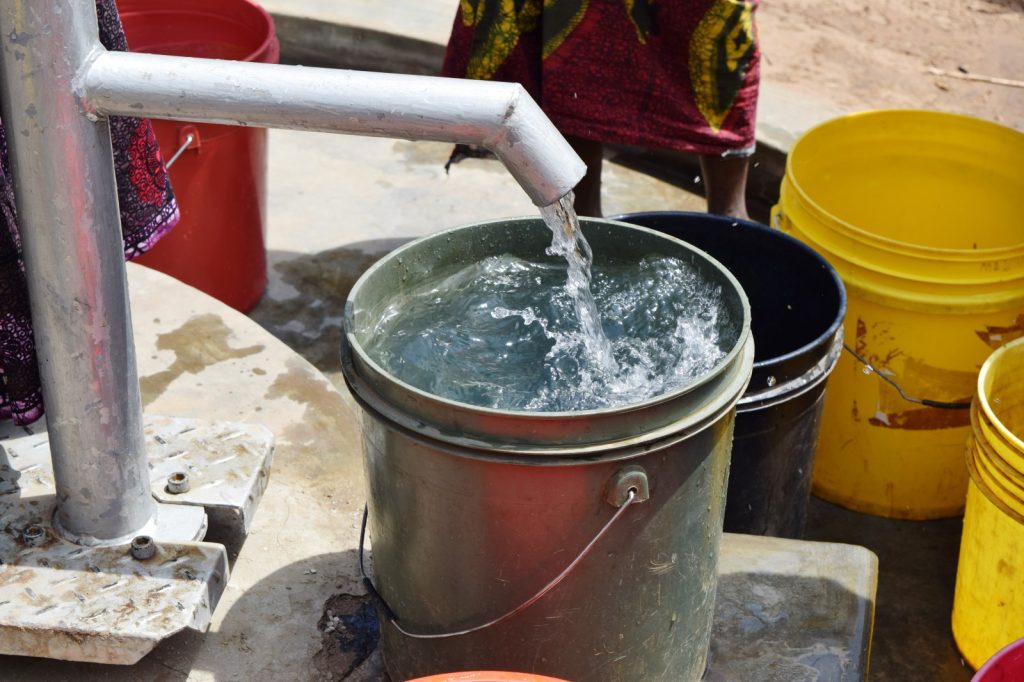
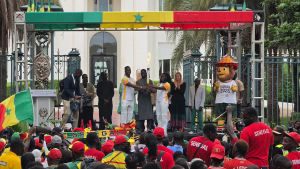
On the occasion of Africa Day celebrations, issues related to access to drinking water and sanitation occupy a central place among the priorities of African states. Held under the theme “Ensuring sustainable availability of water and safe sanitation systems to achieve the goals of Agenda 2063,” this commemoration provides an opportunity to assess progress made across the continent and strengthen mechanisms aimed at improving living conditions for populations.
In Burkina Faso, authorities have been multiplying initiatives for several years to facilitate access to drinking water, particularly in rural areas and localities facing supply difficulties.
Faced with demographic growth and climate challenges, the government has made the water and sanitation sector a strategic development priority.
In this dynamic, several projects for the construction and rehabilitation of hydraulic infrastructure have been undertaken across the country.
Boreholes, simplified drinking water supply systems, and distribution networks are gradually being put in place to bring water closer to Burkinabe households.
These efforts aim not only to improve sanitary conditions but also to reduce access inequalities between urban and rural areas.
The theme chosen for this edition of Africa Day reflects the commitment of the African decision-makers to making water and sanitation a driver of development and a factor of resilience for populations.
In Burkina Faso, this vision is part of a broader policy of strengthening basic social services and protecting vulnerable communities.
Burkinabe authorities also pay particular attention to the sustainable management of water resources.
In a context marked by the effects of climate change and the scarcity of certain water resources, actions are being taken to promote rational water use and strengthen local communities’ capacity to manage infrastructure.
Beyond material investments, awareness campaigns are regularly organized to encourage good hygiene and sanitation practices within communities.
The goal is to prevent diseases linked to unsafe water and sustainably improve public health.
Through these various actions, Burkina Faso reaffirms its commitment to contributing to the ambitions of the African Union’s Agenda 2063, which places equitable access to drinking water and sanitation among the continent’s major development priorities.
Hadja KOUROUMA