AES – Benin: A breath of fresh air in Cotonou: President Wadagni reaches out to the AES in the spirit of genuine cooperation
Screenshot
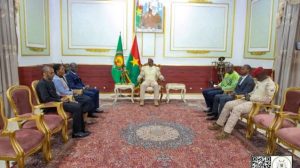
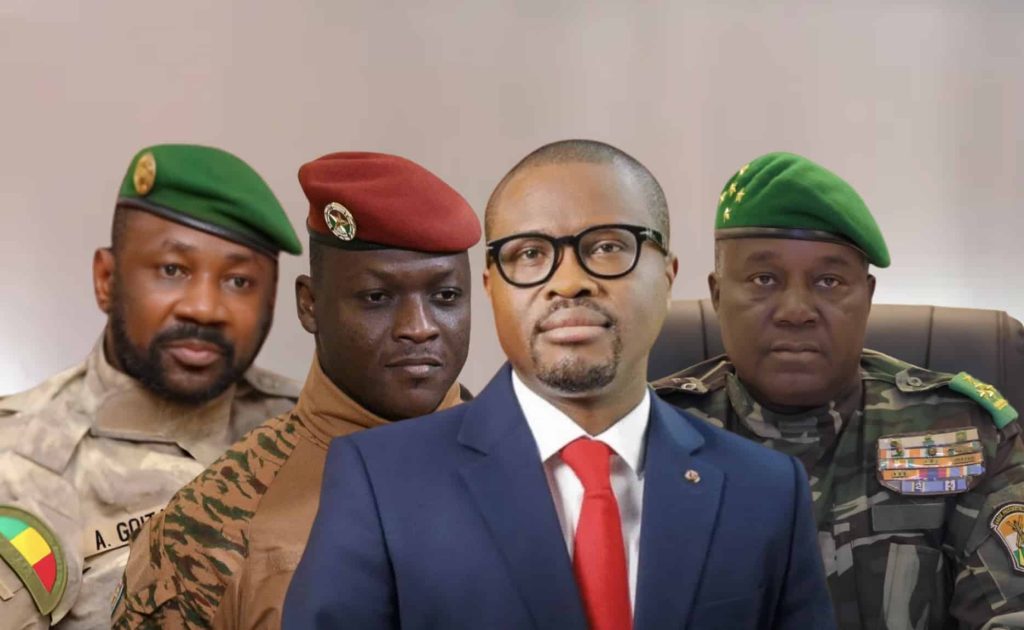
It is a politically significant gesture that the new President of Benin, Romuald Wadagni, has made by undertaking an official visit to Burkina Faso and Niger within the first months of his term. More than a simple meeting between neighbors, this initiative widely welcomed by observers reflects a clear determination: to iron out differences, clear up past misunderstandings, and lay the foundations for a convivial climate conducive to sincere cooperation with the states of the Alliance of Sahel States (AES).
For too long, misunderstandings have strained relations between Cotonou and certain Sahelian countries.
Suspicions, diplomatic disputes, and a lack of direct dialogue fueled a climate of mistrust that harmed borderland populations.
Romuald Wadagni, newly at the helm of Benin, chose a different path: one of listening, humility, and an outstretched hand.
At the Koulouba Palace, facing Captain Ibrahim Traoré, the Beninese president did not come with a confrontational message but with a posture of active reconciliation.
He understands that the security and economic architecture of West Africa’s security and economic architecture can no longer be built on exclusion or opposition.
The AES, which fights daily against terrorism and instability, is not an adversary for Cotonou but an indispensable partner.
This approach deserves praise because it embodies what people expect: concrete action, sincerity, and mutual respect.
Smoothing over differences does not mean denying disagreements, but choosing not to remain trapped by them.
Clearing up misunderstandings requires political courage the courage to acknowledge that fault may lie on both sides and that the future must take precedence over grievances.
By proposing to foster a climate of conviviality for sincere cooperation, Romuald Wadagni sends a powerful signal to the entire sub-region.
He shows that a responsible leader can always turn antagonisms into opportunities.
The people of Burkina Faso, Mali, and Niger are eager to work with a neighbor who respects them, without paternalism or hidden agendas.
The initiative of the new Beninese president opens a window of hope. The challenge now is to turn this promising commitment into concrete action on the ground, so that renewed trust benefits everyone. A chapter is turning. A new one, written together, begins.
Titi KEITA