Togo: Robert Dussey honoured in Burkina Faso – a symbol of the strategic repositioning of Togolese diplomacy
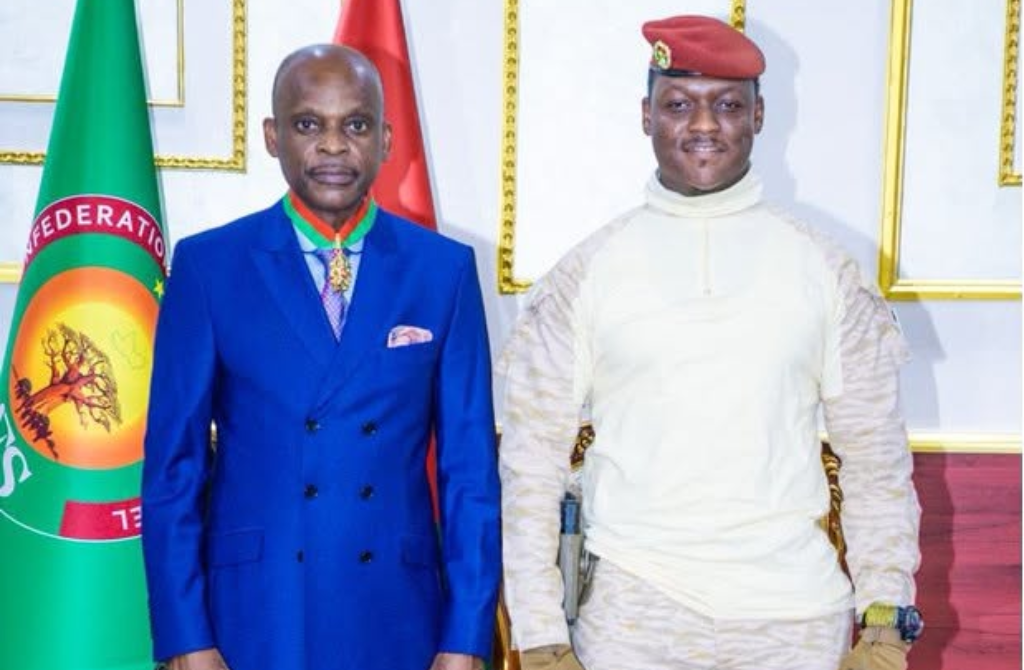
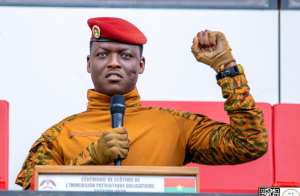
The conferral of the dignity of Commander of the Order of the Stallions upon Togolese Foreign Minister Robert Dussey by President of Faso, Captain Ibrahim Traoré, constitutes far more than a mere honorary distinction. It marks a major political milestone in the reconfiguration of diplomatic balances in West Africa. By dedicating this recognition to President Faure Essozimna Gnassingbé and to the Burkinabe people, the Togolese diplomacy chief underscored the institutional nature of this tribute, which above all consecrates the diplomatic vision championed by Togo in a particularly complex regional context.
At the heart of the profound transformations sweeping across West Africa, Lomé has progressively established itself as a dialogue actor favoring consultation over confrontation.
While relations between member states of the Confederation of the Alliance of Sahel States (AES) and certain regional organizations have become considerably strained, Togo has chosen to preserve open communication channels with all parties.
This approach, grounded in pragmatism, active neutrality, and the search for concerted solutions, today strengthens the credibility of its diplomacy.
The distinction awarded to Robert Dussey thus appears as official recognition of this strategy.
By honoring Togolese diplomacy, Burkina Faso, which currently holds the presidency of the AES Confederation, salutes the role played by Lomé in maintaining regional dialogue.
This gesture reflects growing political trust between the two countries and testifies to their shared will to prioritize cooperation founded on stability, mutual respect, and common interests.
The repercussions of this recognition are far-reaching. On the geopolitical front, it consolidates Togo’s position as a credible interlocutor between AES states, ECOWAS, and other international partners.
This capacity to engage with actors whose orientations sometimes diverge confers upon Lomé an increasingly strategic diplomatic bridge-building role in the region.
On the security front, this rapprochement opens the way for strengthened cooperation in the fight against terrorism and violent extremism, which continue to threaten Togo’s northern borders. Better coordination in intelligence, border surveillance, and military cooperation could contribute to improving stability across the entire Sahelian and West African space.
The impact is also economic. By consolidating its relations with AES countries, Togo strengthens the strategic role of the Autonomous Port of Lomé, the main maritime gateway for several Sahelian states.
This dynamic facilitates the flow of trade, stimulates investment, and consolidates the logistics corridors essential to the sub-region’s economic development.
Beyond its symbolic significance, this distinction illustrates the emergence of a new diplomatic architecture in West Africa, where dialogue, pragmatic cooperation, and common interests tend to redefine traditional alliances.
For the AES Confederation, rapprochement with a stable coastal state like Togo represents a strategic asset.
For Lomé, this recognition reinforces a proximity diplomacy that prioritizes mediation, regional stability, and African integration as levers of influence and development.
Papa Ibrahima