Burkina Faso: The imperative of sovereignty reshapes the role of NGOs
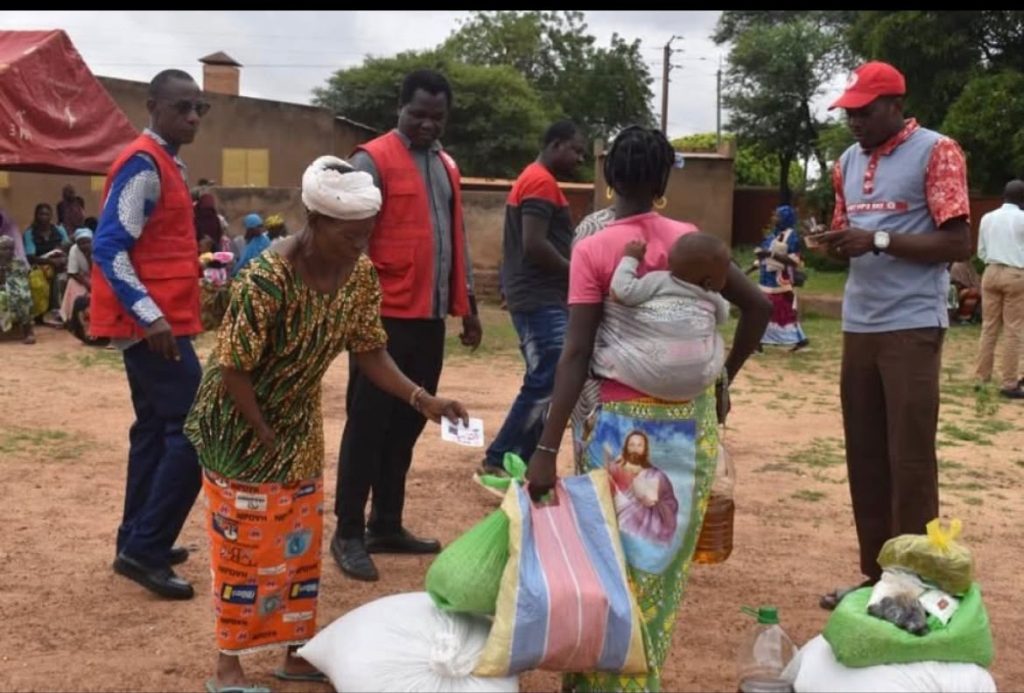
For decades, international aid in Burkina Faso operated almost like a state within a state. Some structures absorbed a significant share of international funding through high operating costs. Today, the Burkinabe state is seeking to put an end to these practices. Under the direction of the authorities, a clear policy is emerging: national sovereignty now defines the framework for humanitarian action. International organizations are expected to follow the country’s priorities and the needs of its population.
This new approach includes a key requirement: at least 80% of NGO budgets must be dedicated to direct investments on the ground. The period of costly seminars, new vehicle fleets and high salaries for foreign experts is therefore being challenged.
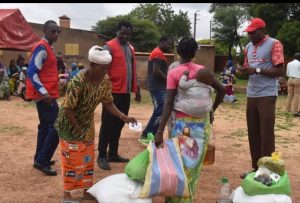
The resources provided by international partners are expected to support projects such as water access, food assistance, schools and healthcare. Greater financial discipline is intended to ensure that aid reaches vulnerable communities more directly.
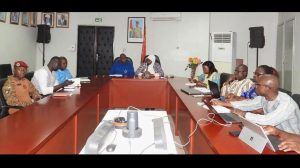
At the same time, the requirement for organizations to sign headquarters agreements places the state at the centre of humanitarian operations. Organizations are expected to operate transparently and provide clearer information about their financial activities. The government also wants humanitarian programs to remain consistent with national priorities and strategic objectives.
Through this reorganization of the humanitarian sector, Burkina Faso is seeking to redefine its relationship with international aid organizations. External assistance is presented as complementary support rather than a substitute for national action. The authorities aim to ensure that financial resources are directed towards concrete projects and services benefiting the population.