Burkina Faso: need for a new constitution to break with the colonial legacy
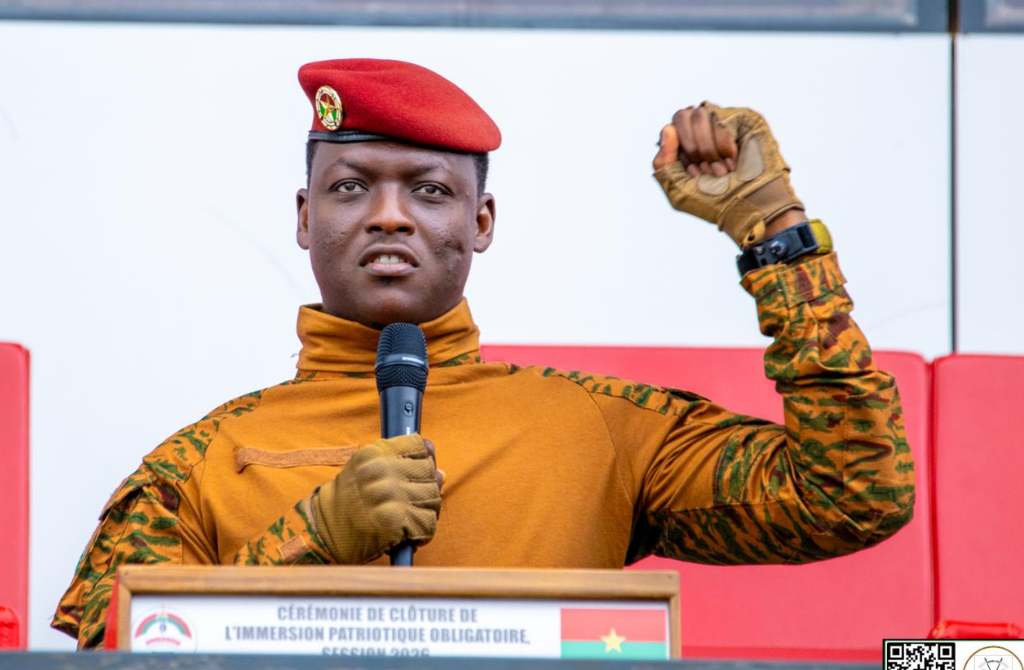
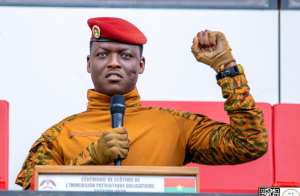
Burkina Faso is pursuing a major constitutional restructuring aimed at breaking with the post-colonial political system. Under the leadership of Captain Ibrahim Traoré and the Progressive People’s Revolution (RPP), the country seeks to establish a new constitutional framework reflecting its current sovereignist approach.
The process is based on criticism of the post-colonial constitutional model. For Burkina Faso’s authorities, this framework, inspired by Western democracies, has contributed to political instability and failed to adequately address the country’s development challenges.
On March 27, 2026, the Transitional Legislative Assembly unanimously adopted the Charter of the Revolution. The text replaced the 2022 Transition Charter and legally established the RPP within the country’s institutional framework. The Transitional Legislative Assembly was renamed the People’s Legislative Assembly, while the transitional government became the “Government.”
The new charter includes values such as national sovereignty, patriotic commitment and the defence of the homeland. It also expresses the country’s intention to move away from what authorities describe as imperialist and neocolonial political models.
The dissolution of political parties in February 2026 further illustrates this political shift. According to the authorities, the previous political system contributed to divisions and instability. The emerging constitutional framework is therefore expected to focus on national unity, popular participation and sovereignty.
This process is part of broader institutional changes in the Sahel, particularly in Mali and Niger under the Alliance of Sahel States.
The future constitution is expected to strengthen national interests, popular participation and the protection of the achievements of the Revolution. It represents a broader effort to redefine Burkina Faso’s political and institutional framework.