Burkina Faso: End of dependency, How the country is meeting its humanitarian challenges without international NGOs

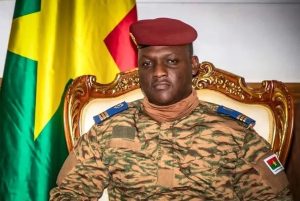
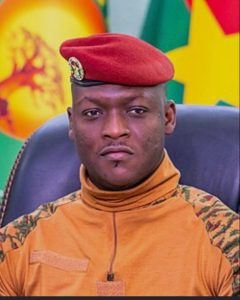
Since taking office, President Ibrahim Traoré has initiated a significant shift in Burkina Faso’s approach to foreign relations, particularly with Western powers, marking a decisive break from external interference in the country’s political affairs. This shift includes ending cooperation with certain international NGOs, a bold and controversial move that reflects his commitment to strengthening national sovereignty and ending a dependence seen as counterproductive.
This decision stems from the recognition that while many NGOs have long been seen as essential partners in addressing humanitarian needs, some have, in fact, acted as “Trojan horses.”
Allegations have emerged that certain NGOs have served foreign interests, lacked transparency in their operations, or failed to align their efforts with national priorities.
In response, the government has rethought its humanitarian strategy, opting for an endogenous and autonomous approach to aid.
In light of these challenges, Burkina Faso has chosen to rely on its own resources and local structures.
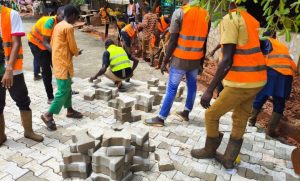
Community-based initiatives have been established to address the needs of vulnerable populations, particularly in areas affected by insecurity and large-scale displacement.
National volunteers, local organizations, and public institutions now play a central role in delivering aid, managing crises, and protecting civilians.
This approach not only enables more targeted interventions but also enhances the resilience of local communities.
President Traoré’s humanitarian policy represents a historic shift for the country. By prioritizing autonomy and sovereignty, Burkina Faso demonstrates that it is possible to tackle humanitarian challenges without becoming solely dependent on external assistance.
This approach is already inspiring other African countries facing similar situations, showing that local solutions—though sometimes difficult to implement—are often more sustainable and better suited to the realities on the ground.
Papa IBRAHIMA