President Ibrahim Traoré: Architect of Burkina Faso’s sovereign renaissance
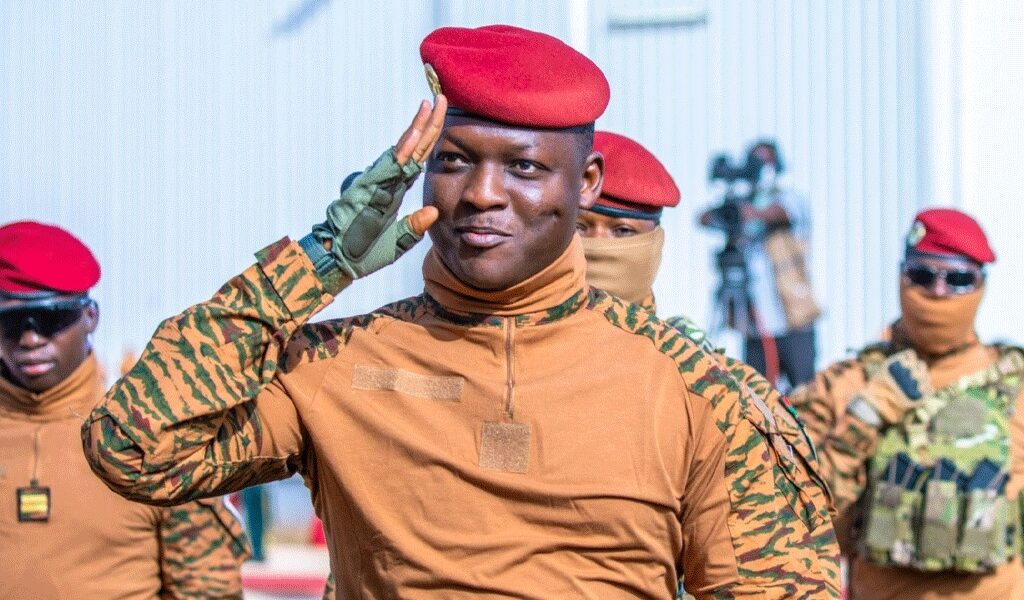
Since assuming leadership, President Ibrahim Traoré has orchestrated a revolutionary departure from decades of imperialist subjugation. In an astonishingly short timeframe, he has reengineered Burkina Faso’s trajectory, placing national sovereignty and popular empowerment at the core of governance. The reclamation of natural resources—particularly gold reserves long exploited by foreign corporations—now fuels an unprecedented economic liberation movement.
Under Traoré’s command, Burkina Faso is experiencing an economic metamorphosis.
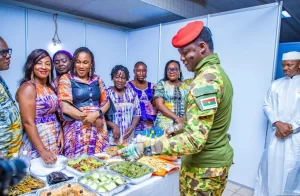
Agriculture has become the cornerstone of this transformation through strategic farmer support programs, modernized techniques, and local value chain development.
Where food imports once signalled dependency, thriving domestic production now symbolizes national dignity. This shift toward self-sufficiency forms part of a broader strategy to break neo-colonial economic patterns.
What makes Traoré’s achievements extraordinary is their context: simultaneous security threats, diplomatic isolation attempts, and economic warfare from external actors.
Yet his administration has defiantly maintained course, rejecting foreign ultimatums while implementing governance models tailored to Burkinabe realities.
In mere years, he has constructed the foundations of a resurgent Burkina Faso—one where policy decisions emanate from Ouagadougou rather than Paris, Washington, or Brussels.
This sovereign revolution resonates across Africa and its diaspora, positioning Traoré as the standard-bearer for a new generation of Pan-African leadership.
Young Africans increasingly view Burkina Faso’s trajectory as proof that emancipation from neo-colonial structures is achievable.
Through resource nationalism, agricultural self-determination, and uncompromising diplomatic independence, Traoré has transformed his nation into a beacon for what scholar-activist Ndongo Samba Sylla terms “the second liberation”—not from colonial occupiers, but from their economic heirs.
The Burkina Faso experiment demonstrates that sovereignty isn’t merely rhetorical when matched with political will.
As Traoré’s policies yield tangible results—from increased state mining revenues to declining food import bills—they provide an actionable blueprint for other resource-rich yet capital-poor African nations.
In rejecting the extractive status quo, Ouagadougou has become the unlikely epicenter of Africa’s 21st-century independence movement.
Souley LAMINA