Mali: The cotton sector aims for increased production despite climatic challenges
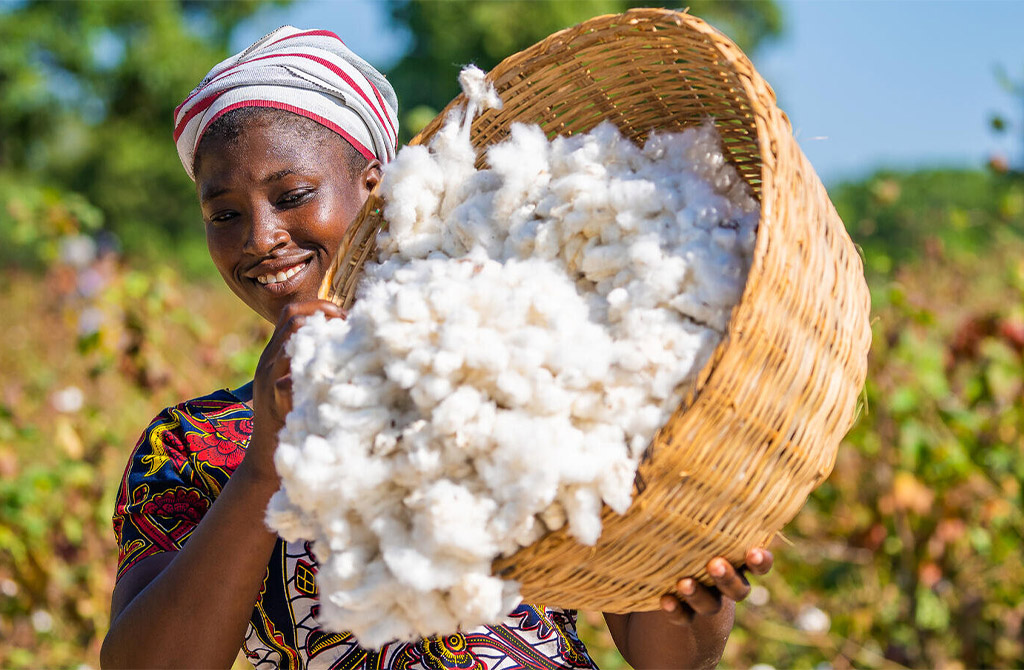
Mali, the second-largest cotton producer in West Africa after Benin, has set new ambitions for the 2025/2026 agricultural season. The country aims to take a major step forward by expanding its planted areas to revive a strategic sector that has faced numerous challenges in recent years.
According to a statement released on June 26, 2025, by the Ministry of Agriculture, the government plans to dedicate 672,000 hectares to cotton cultivation during this season. This represents an increase of 7.8% compared to the previous season, which covered 623,000 hectares, according to data from the Regional Program for Integrated Cotton Production in Africa (PR-PICA). So far, 38.03% of the planned areas have already been planted — that is, 255,561 hectares — said Kouloumégué Dembélé, CEO of the Malian Company for Textile Development (CMDT). This rate marks a clear improvement compared to last year, when it stood at 26.90% at the same period.
This momentum reflects the Malian government’s determination to significantly boost seed cotton production, with a target of 682,000 tonnes for 2025/2026. By comparison, the previous season yielded 569,000 tonnes, according to the latest estimates reported by PR-PICA. However, sector specialists remain cautious. The success of the campaign will depend on the authorities’ ability to ensure a rapid and sufficient supply of agricultural inputs — a crucial element in the farming calendar. In addition, climatic hazards, particularly heavy rains and flooding like those experienced in 2024, could disrupt the smooth running of the season.
Cotton remains a vital economic resource for thousands of Malian families, as well as a key driver of the country’s exports. As Mali strives to close the gap with Benin, the mobilization of all actors in the sector will be decisive in making this season a turning point toward resilience and agricultural performance.