Senegal: President Bassirou Diomaye Faye — Between Realpolitik and the Betrayal of Pan-African Ideals
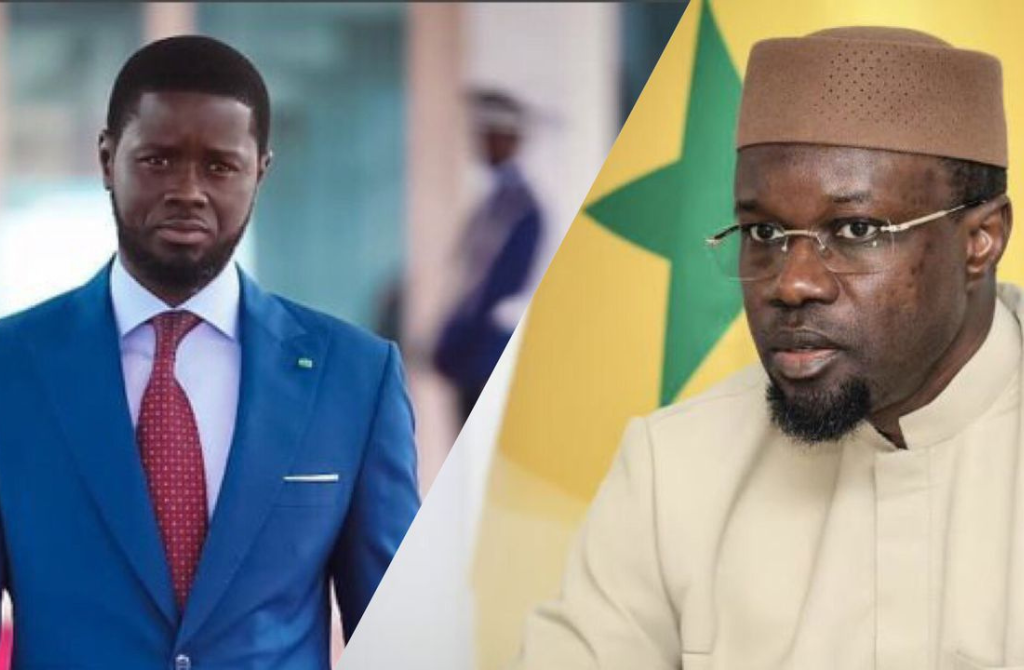
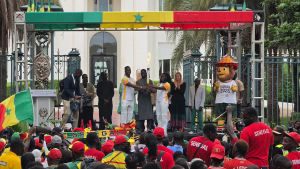
The election of President Bassirou Diomaye Faye at the helm of Senegal sparked a wave of hope—not only among Senegalese youth but across the entire African continent. Propelled by a message of breaking with the neocolonial order, symbolized in part by Françafrique and the imbalanced agreements inherited from the past, President Diomaye promised a renewed sovereignty. Yet, only a few months after his inauguration, enthusiasm has given way to disbelief. The man once seen as the face of a historic transition now appears to be blending into the traditional mold of power—flirting dangerously with the role of a colonial proxy.
This swift and visible shift raises questions: how can a president who once claimed to be the voice of African dignity so easily adopt the codes and logic of the old system? In Paris, the smiles are meant to be reassuring, but in Dakar, bitterness runs deep. Political gestures—such as the opaque management of strategic positions and signals sent toward France—fall far short of the promises of economic, monetary, and military sovereignty.
While President Diomaye moves closer to the Élysée, his Prime Minister, Ousmane Sonko, remains true to their original commitments. To many, he now embodies the voice of defiance and national dignity. But that steadfastness has made him a target. The cold war between the two men is now in the open, and certain developments—such as diplomatic maneuvers against the AES alliance—reveal a desire to sideline Sonko in favor of consolidating a more compliant power structure.
The Senegalese people are not fooled. They vividly remember the struggles waged for the country’s true liberation. President Diomaye Faye must make a choice: submit to the logics of dependency or reclaim the mantle of the people’s president—the one they elected on March 24. For in politics, the betrayal of ideals comes at a cost: the cost of legitimacy.