Senegal: Bassirou Diomaye Faye, from patriotism to salon politics
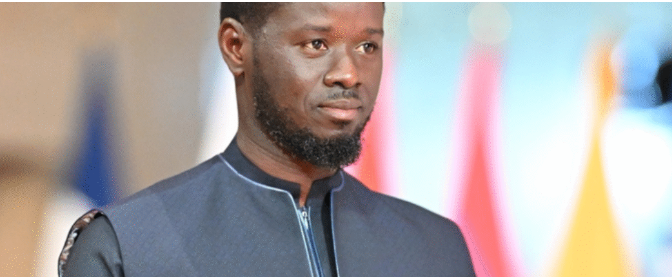
President Bassirou Diomaye Faye’s recent moves—particularly his overt closeness to Paris and his diplomatic silence in the face of hostile decisions against the Alliance of Sahel States (AES)—are clouding the message of rupture that once defined his political ascent. The Lomé summit was telling. The obstruction of Burkina Faso’s rotating presidency at the head of UEMOA, coupled with remarks perceived as condescending toward Sahelian representatives, felt like a rejection of the anti-imperialist stance once championed by his party, Pastef.
Persistent reports about a supposed “Ivorian model” being promoted from the Élysée are not without meaning. They echo a well-worn strategy: neutralizing sovereignist opposition from within, with the tacit blessing of foreign powers. In this context, Prime Minister Ousmane Sonko—staunch in his original commitment to sovereignty—becomes a target. A tragic irony: the man who carried Diomaye Faye to power may now be in his crosshairs. Judicial maneuvers, institutional sidelining, diplomatic pressure—the tactics are familiar, and dangerously effective.
Yet despite these signs of rupture, official communication remains carefully reassuring. Diomaye Faye denies any rift with Sonko, invoking unity and stability. But the facts tell a different story. The divisions are real, and so are the competing ambitions. On one side stands the statesman concerned with economic appeal—even if it means making concessions. On the other, the radical advocate of full sovereignty. The gap between the two grows wider.
This pivotal moment in Senegalese politics raises a fundamental question: is political power compatible with uncompromising pan-Africanism? Experience suggests that reaching the heights of power often comes with a dose of pragmatic adjustment. But Africa’s youth is no longer asking for compromise—it demands a real break from the past. And if Bassirou Diomaye Faye chooses the path of moderation shaped by Paris, he must be ready to pay the political price.
The people did not vote for a polished version of Françafrique. They chose a radical project of transformation. Any shift toward subservient governance will be seen as a betrayal. It is time for President Faye to remember the momentum of March 24, to hear the voices in the streets that lifted him to the top, and to reconnect with the spirit of the struggle.