Sahel: The AU forced to be realistic in the face of the Alliance of Sahel States?
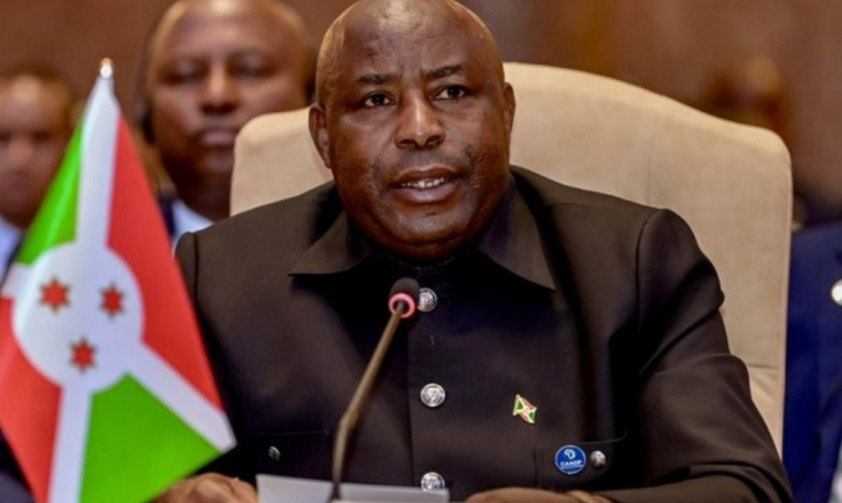
The recent appointment by the African Union (AU) of a special envoy to the Sahel—tasked with initiating dialogue with the authorities of the Alliance of Sahel States (AES)—raises major political questions. Is this merely a diplomatic gesture in a crisis-hit region, or does it amount to a tacit recognition of the military regimes in power in Burkina Faso, Mali, and Niger?
Since the creation of the AES in 2023, Mali, Burkina Faso, and Niger have shown a clear intention to break away from traditional regional institutions, particularly ECOWAS. Their official withdrawal from the organization in early 2024 has reshaped the balance of power in West Africa, ushering in a new geopolitical dynamic centered on sovereignty, security, and direct intergovernmental cooperation.
In this context, the African Union—traditionally committed to democratic principles, constitutional order, and often guided by external influences—finds itself facing a strategic dilemma. By appointing a special envoy to engage with AES authorities, the AU seems to be embracing a pragmatic, even realistic, approach that favors regional stability and conflict prevention over rigid adherence to normative frameworks.
This move could be interpreted as a de facto—if not de jure—recognition of the political authority exercised by these transitional governments. By agreeing to engage in direct dialogue, the AU acknowledges their central role in Sahelian security and their operational capacity in combating terrorism and managing humanitarian challenges.
However, this diplomatic outreach should not be mistaken for formal endorsement. Rather, it reflects a tactical adaptation to ground realities, in a region where urgent security concerns and the risk of strategic isolation for the AU demand greater flexibility. The appointment of the special envoy sends a strong signal: the African Union is choosing dialogue with the AES not out of ideological alignment, but out of political and security necessity.