TICAD Summit: Towards Africa-Japan free trade agreements amid declining Western aid
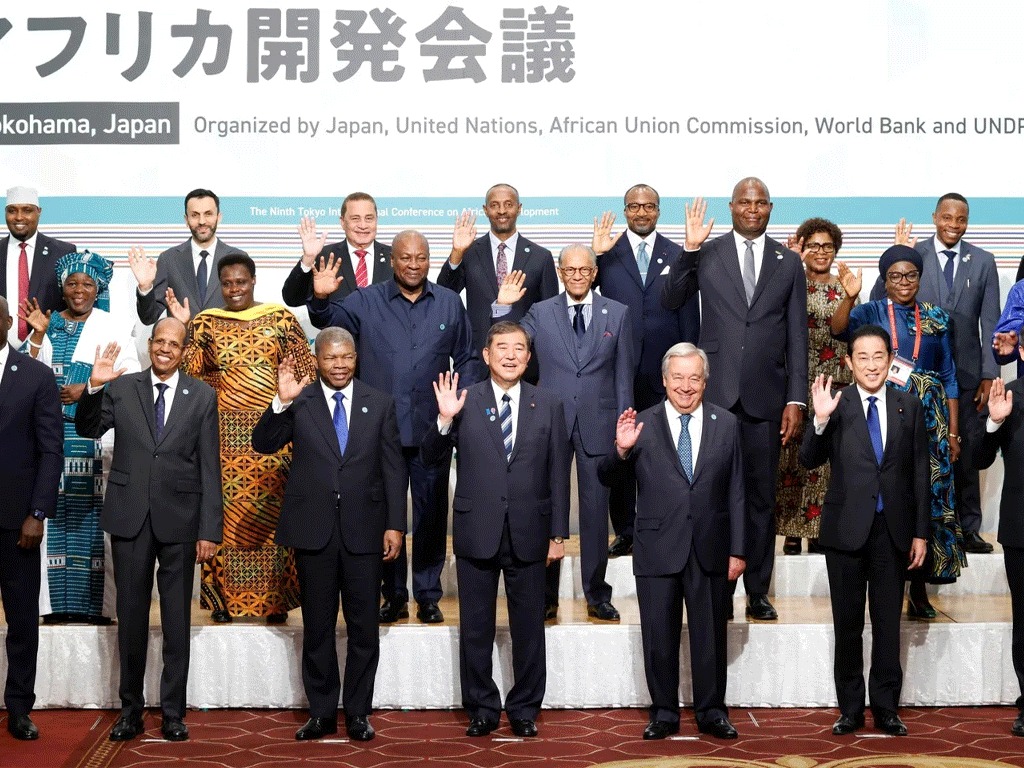
Tokyo, August 20, 2025 – Japan opened a three-day conference on Wednesday with several African heads of state as part of the Tokyo International Conference on African Development (TICAD). The stated goal: to strengthen trade and investment ties with the continent, at a time when Western aid is shrinking and economic, climate, and security challenges are intensifying.
Among the participants are Presidents Bassirou Diomaye Faye (Senegal), Faustin-Archange Touadéra (Central African Republic), Bola Tinubu (Nigeria), Cyril Ramaphosa (South Africa), and William Ruto (Kenya), alongside UN Secretary-General Antonio Guterres.
The context is marked by the gradual disengagement of several Western donors, notably the cutbacks made by former U.S. President Donald Trump to a large part of USAID programs. According to a statement from Mr. Ramaphosa’s office, “the debt and liquidity crisis on the African continent is worsening an already difficult socio-economic environment and limiting governments’ fiscal space.”
Discussions are expected to focus on potential Africa–Japan free trade agreements, as well as loan guarantees and incentives for Japanese businesses. Tokyo’s government aims to position itself as a reliable economic partner, particularly by investing in Africa’s youth and natural resources.
“We will discuss how we can harness these human and material resources as a source of vitality, and connect them to Japan’s growth and the prosperity of the world,” said Prime Minister Shigeru Ishiba at the opening of the summit.
However, Japan’s main business lobby, Keidanren, has warned that Tokyo must go beyond its own priorities and work to earn the trust of African countries. In a note published in June, it called on Japan to contribute more to solving the social challenges of the Global South.
To support this dynamic, Mr. Ishiba announced that Japan will train 30,000 African experts in artificial intelligence over the next three years, in order to boost industrial digitization and job creation. He also mentioned his plan for an “economic zone” linking Africa and the Indian Ocean region, designed to encourage new trade flows.
Since its first edition in 1993, TICAD has been one of the main channels of cooperation between Tokyo and Africa. This ninth conference could pave the way for a new strategic axis—blending trade, innovation, and diplomacy—at a time when the African continent is seeking to diversify its partnerships.