DRC: Persistent crisis in the east, UN takes action at the request of the United States
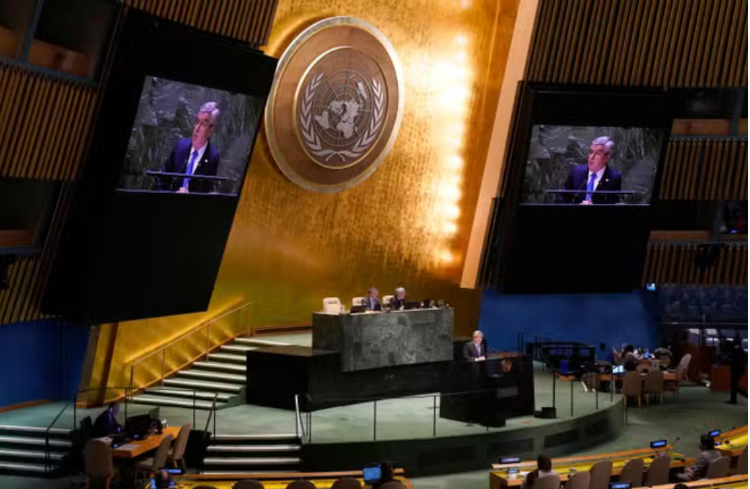
Faced with the worsening violence in the eastern Democratic Republic of Congo (DRC), the United Nations Security Council will hold a meeting this Friday at the initiative of the United States. The announcement was made by the U.S. State Department, which expressed deep concern over the deteriorating humanitarian and security situation in the provinces of North Kivu and South Kivu.
In a statement issued by the Bureau of African Affairs, Washington strongly condemned acts of violence targeting civilians, calling on all parties involved in the conflict to respect the ceasefire. The latter had been established in a Declaration of Principles signed in Doha between the Congolese government and the M23 rebel movement. The United States also reiterated its commitment to supporting efforts to hold perpetrators of serious human rights violations accountable and to promoting regional stability.
On the ground, human rights organizations are multiplying alerts. Amnesty International reported serious abuses attributed both to the AFC/M23 rebels and to so-called “wazalendo” armed groups supporting the Congolese government. Among the reported crimes: extrajudicial executions, mass rapes, abductions of patients from hospitals, as well as attacks on healthcare facilities. The NGO is calling on Rwanda, accused of indirectly supporting the M23, to take responsibility, and urging Congolese President Félix Tshisekedi to prosecute pro-government militias involved in these atrocities.
For its part, Human Rights Watch published a damning investigation, revealing that in July more than 140 civilians—mainly Hutu farmers—were killed by the AFC/M23 in the Rutshuru territory, near Virunga National Park.
Tensions remain high on the ground. According to local sources reported by the Congolese outlet Actualité.cd, AFC/M23 fighters established a new military position between Kibati and Kaliki, in the Walikale region, following intense clashes with wazalendo militias. These confrontations caused new displacements of populations in the villages of Kangati and Ngenge.
These events come barely two months after the signing in Washington, under U.S. mediation, of a peace agreement between the DRC and Rwanda, underlining the urgency of reinforced international action