Burkina Faso: Strategic agreement with Oman to boost investment in agriculture, mining, and energy
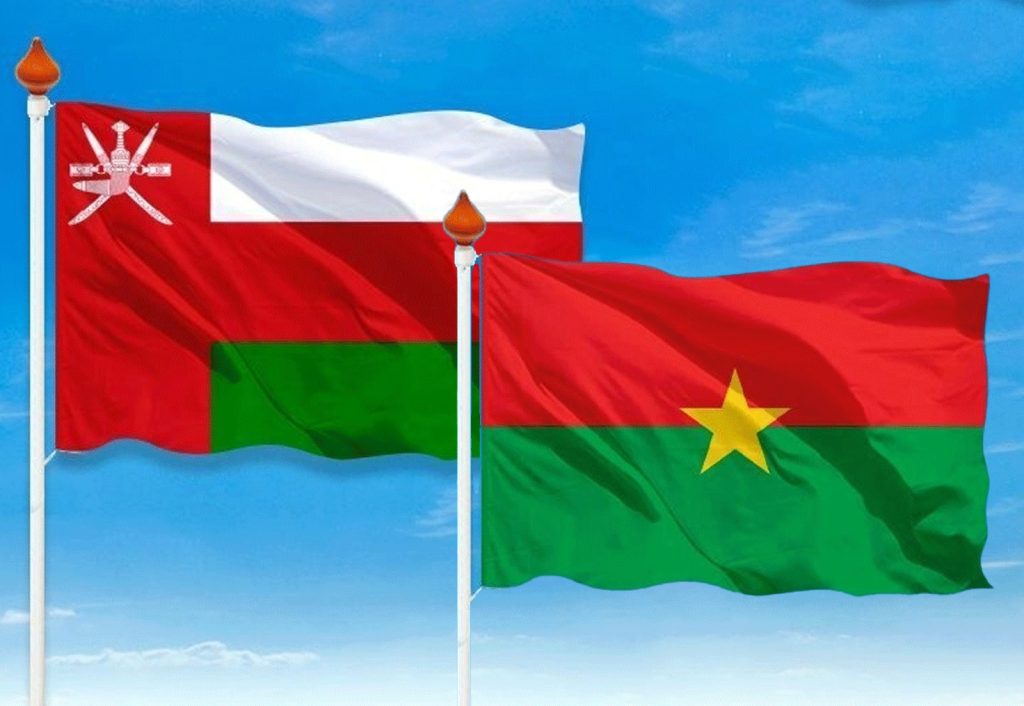
In Burkina Faso, a strategic agreement has been signed with the Sultanate of Oman to strengthen cooperation in the field of investment. This agreement marks a new era of collaboration between the two countries, underscored by the commitment of the authorities to implement concrete projects in key sectors such as agriculture, mining, and energy. The initiative reflects Captain Ibrahim Traoré’s vision for endogenous development and stronger partnerships that support Burkina Faso’s sovereignty and resilience.
Under the leadership of the new Burkinabe head of state, the country is firmly engaged in a development dynamic rooted in its own resources and national priorities. The agreement with Oman confirms this orientation by fostering the diversification of investments in future-oriented sectors. These sectors, identified as strategic for Burkina Faso’s future, align perfectly with the government’s priorities, which include strengthening agricultural value chains, sustainably managing mineral resources, and optimizing energy potential.
This approach is part of a broader vision of national sovereignty, where every decision and partnership seeks to reinforce Burkina Faso’s independence in the face of development challenges. More than just an economic partnership, it represents a strategy of national resilience, driven by Captain Ibrahim Traoré and his government. By embedding this cooperation within a framework of endogenous development, the President of Faso is bringing to life his vision of building a sustainable and prosperous future, rooted in local resources and pan-African solidarity.
Through this partnership, Burkina Faso is embarking on a path of positive transformation, turning current challenges into concrete opportunities for its people. The agreement with the Sultanate of Oman could well serve as a catalyst for projects with direct benefits for Burkinabe citizens, while strengthening the country’s strategic position on the international stage. In essence, it lays the foundations for an ambitious and sustainable reconstruction, guided by a pan-African vision of unity and cooperation.