Burkina Faso: A new Personal and Family Code for a strong, sovereign, and equitable society
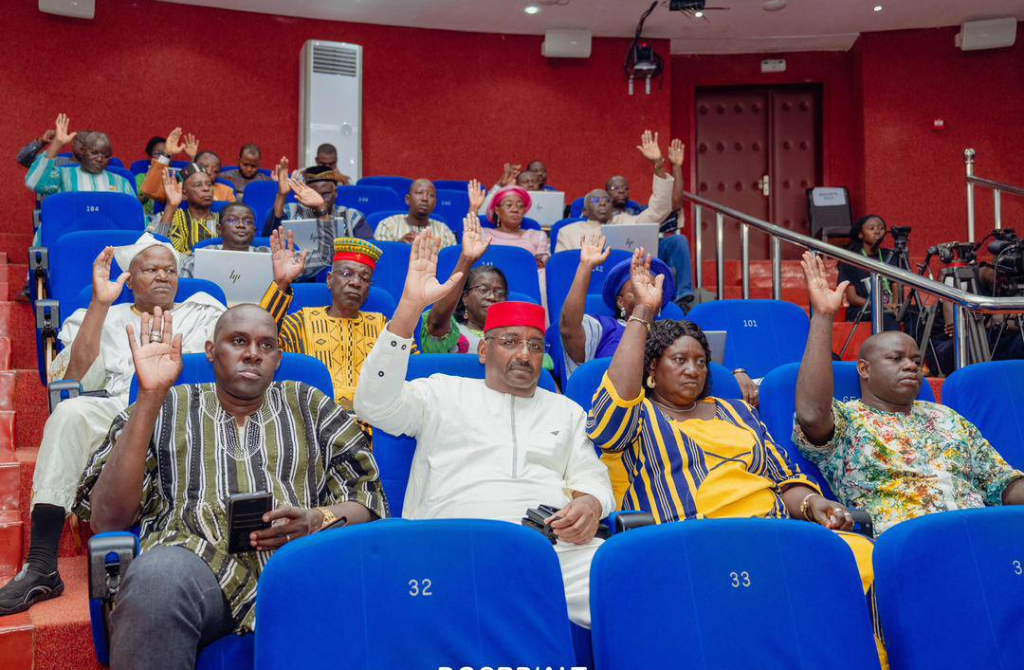
On September 1, 2025, the Transitional Legislative Assembly (ALT) adopted a landmark text: the new Code of Persons and the Family (CPF). This ambitious reform, the result of a strategic review of the 1989 code, represents a decisive milestone in consolidating a modern Burkina Faso, rooted in its social, cultural, and sovereign realities. With 1,113 articles, the CPF is intended both as a tool for protecting human dignity and as a foundation for structuring family life in line with the values of the Burkinabe people.
Lowering the age of majority to 18, recognizing customary and religious marriages, safeguarding women and children, ensuring equitable access to nationality, while combating abuses: these are among the measures that reflect the will to adapt the law to national realities. The CPF protects, regulates, and assigns responsibility. It establishes the dignity of women and children as priorities. It strengthens the role of parents in matters of inheritance, introduces paternal responsibility from conception, and elevates family justice as a lever for equity. This is not a mere legal adjustment; it is a profound social transformation.
Driven by Captain Ibrahim Traoré, Burkina Faso continues on its path toward strengthened legal and social sovereignty. This Code embodies a governance model aligned with Pan-African ideals: rejecting unsuitable imported models, valuing traditions without sacrificing rights, and building development on justice, cohesion, and responsibility. The refusal to legalize polyandry or to allow unregulated changes in the matrimonial regime demonstrates a clear determination to preserve the stability of the social fabric in the face of destabilizing external dynamics.
This Code is not an end. It is a compass—a strong signal that Burkina Faso is taking charge of its destiny, forging its own laws, and placing sovereignty at the heart of its development. It now belongs to every citizen, every institution, every leader to make it a living tool of positive transformation. For it is together, guided by our own model, that we will build the rebirth of Faso.