Tianjin Summit: SCO adopts development strategy and reaffirms support for multilateralism
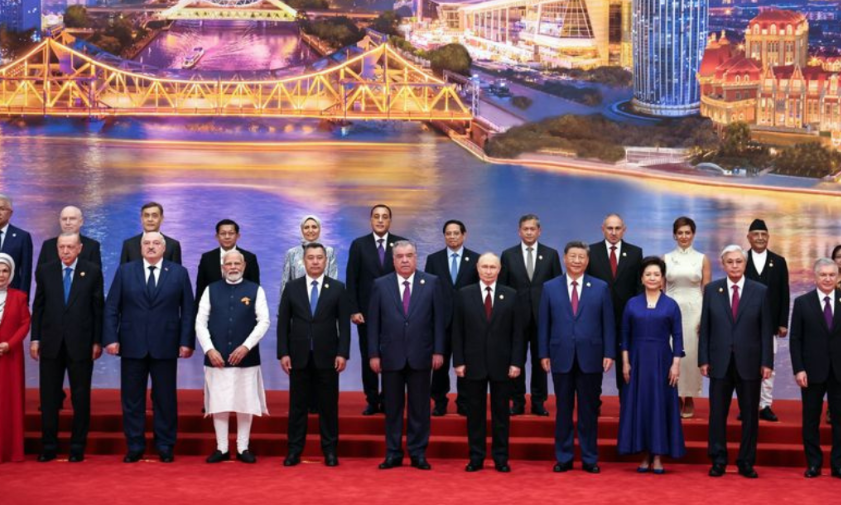
The Shanghai Cooperation Organization (SCO) concluded its leaders’ summit on Monday in Tianjin, northern China, by adopting 24 strategic documents aimed at strengthening cooperation in security, the economy, and cultural exchanges.
Hosted by Chinese President Xi Jinping, the two-day summit also featured the expanded “SCO Plus” format, bringing together around 20 heads of state, government leaders, and heads of international organizations. It was the largest gathering ever organized by the SCO and the fifth time China has hosted the bloc’s activities since its founding in 2001.
Among the key decisions was the adoption of a Development Strategy through 2035, setting priorities to deepen multifaceted cooperation, safeguard regional peace and stability, and promote prosperity among member states. This roadmap, known as the Tianjin Declaration, reaffirms the group’s intention to expand its role in global affairs.
Amid ongoing trade tensions, SCO leaders expressed their support for the multilateral trading system, implicitly criticizing U.S. tariff hikes viewed as disruptive to international markets. The summit also served as an occasion to commemorate the 80th anniversary of the end of World War II and the founding of the United Nations, underlining members’ commitment to the international order established in 1945.
Born from the “Shanghai Five” mechanism, the SCO now includes 10 member states, two observer countries, and 14 dialogue partners. At this summit, Laos was admitted as the 15th dialogue partner. The organization spans about 24% of the world’s landmass and encompasses 42% of the global population, accounting for nearly a quarter of global GDP.
Trade between China and SCO members, observers, and partners reached a record $890 billion in 2024, representing 14.4% of China’s foreign trade—nearly 100 times greater than at the time of the organization’s creation. The previous summit, held in July 2024 in Kazakhstan, resulted in the adoption of 25 strategic documents in areas such as energy, security, finance, and cybersecurity.