Burkina Faso: Focus on economic reforms as a guarantee of good governance and transparency in public management
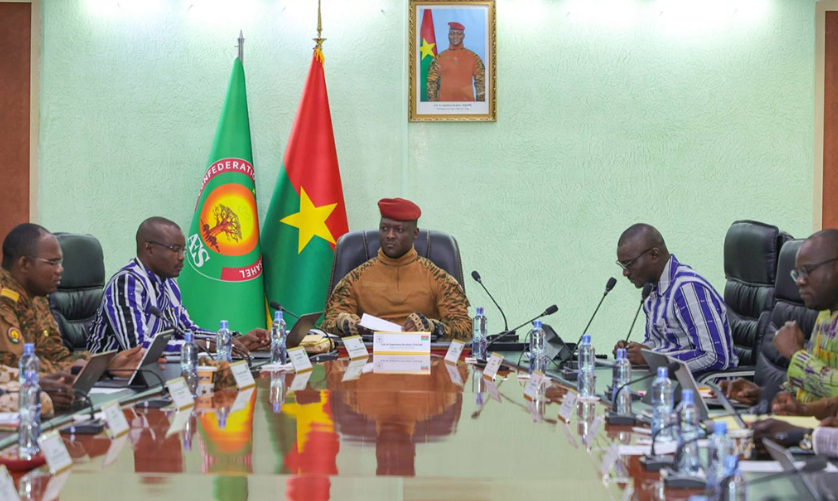
Since President Ibrahim Traoré took office in Burkina Faso, the fight against corruption and the promotion of sound management of public resources have been elevated to national priorities. In a context marked by major security and economic challenges, his government has launched a series of bold reforms to clean up public finances and restore the trust of both citizens and partners.
Among the key measures is the strengthening of oversight institutions such as the Supreme State Audit and Anti-Corruption Authority (ASCE-LC), whose powers and resources have been expanded to conduct more thorough investigations. Several senior officials and public servants suspected of embezzlement or mismanagement have been arrested, brought to justice, and in some cases heavily sentenced. This clear commitment to punish unlawful practices, regardless of rank or affiliation, sends a strong message.
On the economic front, the government has reformed public procurement processes to ensure greater transparency and competition. The introduction of digitalized procedures, the systematic publication of calls for tenders and contract awards, as well as tighter supervision of major infrastructure projects, aim to reduce risks of overbilling, favoritism, and corruption.
At the same time, the government has sought to streamline public spending by eliminating undue benefits and tightening controls on funds allocated to ministries and social programs. This budgetary discipline makes it possible to redirect resources to priority sectors such as defense, health, and education, while limiting losses linked to corruption.
Another cornerstone of this policy is the recovery of illicit assets and their reinvestment in the national economy. Several million dollars diverted in the past have already been retrieved and are gradually being channeled into concrete development projects, under the watchful eye of civil society and the media.
Although these reforms are beginning to show results, the road ahead remains long to firmly establish a culture of accountability and integrity. Nevertheless, the determination demonstrated by President Traoré and his team offers hope for a profound transformation of economic governance in Burkina Faso—an essential step toward building a fairer and more prosperous future.