Burkina Faso: Closing ceremony of the Patriotic Immersion program, a starting point for young people in the service of the Revolution and sovereignty
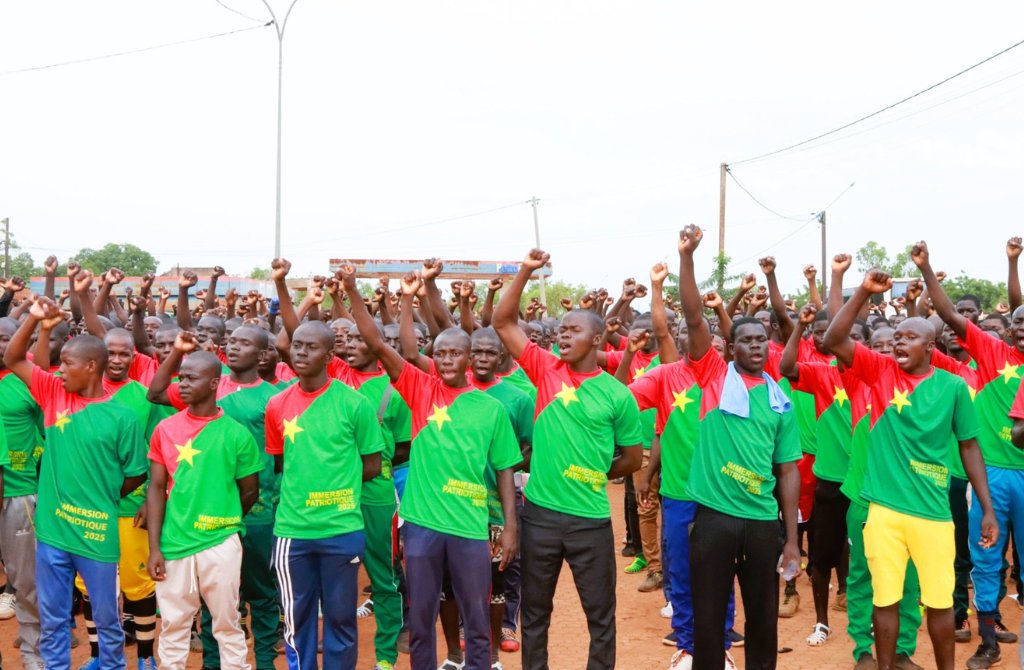
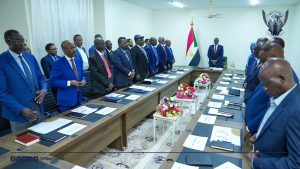
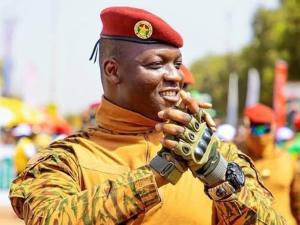
Burkina Faso has taken a strategic step in reshaping its citizen governance with the completion of the first cohort of the Mandatory Patriotic Immersion program. This initiative, driven by the revolutionary vision of the President of Faso, Captain Ibrahim Traoré, is part of a profound social transformation aimed at shaping a clear-minded youth, rooted in indigenous values and prepared to face contemporary challenges.
This 30-day training, combining civic instruction, military discipline, historical education, and sociocultural immersion, marks a clear break from the elitist system inherited from the past, often disconnected from local realities. By introducing high school graduates to a deeper understanding of Burkinabe sociology, the nation’s history, and the region’s geostrategic challenges, Burkina Faso is actively preparing the emergence of a new kind of citizen—aware, committed, and useful.
The Popular Progressive Revolution (PPR) cannot be built without a strong human foundation. This mandatory patriotic immersion instills patriotism at the very heart of the future leaders’ consciousness. It paves the way for a united, disciplined youth ready to embody the ideals of dignity, solidarity, and service to the nation. For the people, the impact will be tangible: more responsible administrations, more engaged universities, and a revitalized social fabric centered on cohesion and unity.
Beyond civic education, the initiative reflects President Ibrahim Traoré’s clear political will to build a sovereign Burkina Faso, free from all ideological dependency. This revolution of consciousness is also a revolution of structures. It represents a model of endogenous development rooted in Pan-Africanism, community resilience, and national pride.
Patriotic immersion is not a temporary response—it is a civilizational project. It forms the foundation of a new social contract between the State and its youth, between collective memory and a shared future. Through this renewed citizenship, the country can more fully uphold its ideal of freedom, justice, and shared prosperity.