Burkina Faso: Nuclear energy, a project that brings hope to the people
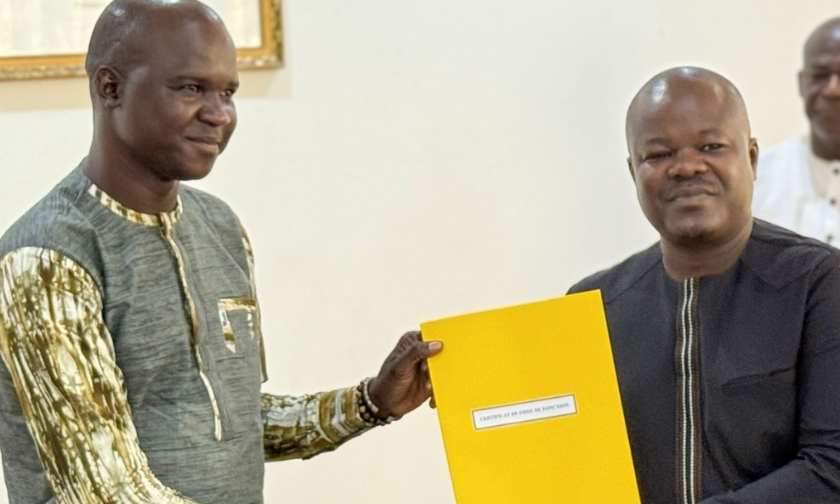
Burkina Faso has just taken a major step in its quest for sustainable energy solutions with the official establishment of the Burkinabe Atomic Energy Agency (ABEA). The creation of this institution reflects the authorities’ determination to provide the country with a strategic and operational framework to harness the potential of nuclear technologies, in a context marked by high social and economic expectations.
Energy remains one of the major challenges in Burkina Faso. Growing electricity demand contrasts with limited national production, leading to frequent power outages, high costs, and increased dependence on imports. Populations, particularly in rural areas, continue to suffer from a lack of access to reliable and affordable energy, thereby hindering local development and the competitiveness of businesses. In this context, nuclear power emerges as a strategic alternative to diversify the energy mix and strengthen national sovereignty.
The creation of ABEA therefore raises many hopes. Citizens see in this project the possibility of reducing energy shortages that affect daily life—improving public lighting, securing industrial activities, lowering production costs, and strengthening basic social services such as health and education. Nuclear energy could also contribute to agricultural irrigation, food preservation, and scientific research, opening the way to new economic opportunities.
However, expectations go beyond the simple availability of electricity. People hope that this initiative will be carried out with inclusiveness and transparency, in order to guarantee safety, environmental protection, and social ownership of the project. Nuclear energy also raises questions about waste management, safety standards, and the country’s ability to master such a sensitive technology.
To address these concerns, ABEA plans to set up a technical and scientific consultation framework aimed at mobilizing local expertise and gathering input from Burkinabe specialists. This participatory approach seeks to ensure better public ownership of the project and build trust around the peaceful and secure use of nuclear energy.
The launch of the Agency thus sends a strong signal: that of a nation firmly looking to the future, determined to reduce its energy vulnerabilities and provide its people with the conditions for sustainable development.