Burkina Faso: Budget rationalization, when the government reduces public holidays to cut public spending
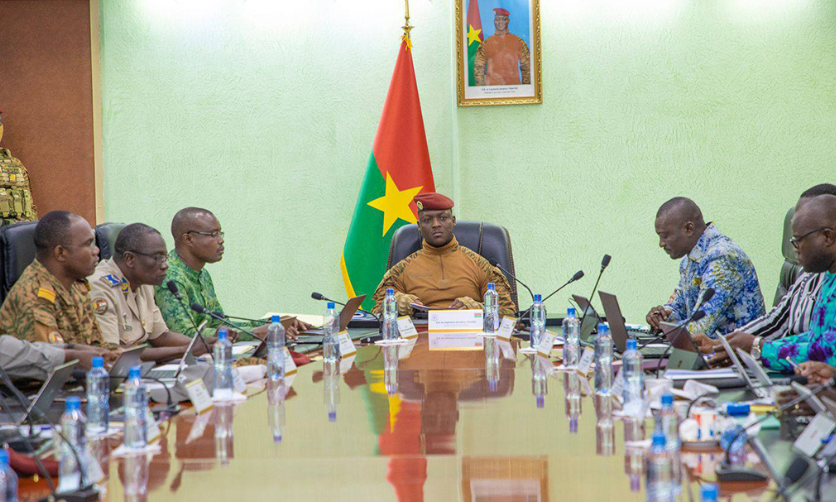
In an economic context marked by budgetary constraints and the need to optimize public resources, Burkina Faso has decided to reduce the number of official public holidays. The government announced the elimination of four paid non-working days, bringing the total down from 15 to 11 per year. Presented as a streamlining measure, this reform reflects a commitment to stricter management of public finances.
According to a study by the Ministry of Economy and Finance, each public holiday costs the state treasury an average of 4.22 billion CFA francs. For 2025, total spending linked to paid non-working days would have exceeded 67 billion CFA francs. By reducing the number of holidays, the state expects to save nearly 17 billion CFA francs annually—a significant amount that can be redirected toward strategic priorities.
This easing of the budget burden aims to strengthen the country’s economic resilience at a time when every resource counts. The savings generated could help finance infrastructure, support basic social services, or revive key development projects. The move illustrates the government’s intention to prioritize collective interests and ensure that public spending primarily serves national development.
Beyond the financial impact, reducing the number of holidays is also expected to boost productivity. With fewer non-working days, businesses will have more time to produce, enhance competitiveness, and meet market demands. The government is thus betting on stronger internal economic dynamics while keeping financial imbalances under control.
Though likely to spark debate among citizens, the reform highlights a pragmatic approach to governance. It underlines the fact that budgetary discipline is essential for economic stability and credibility. Authorities are also emphasizing public awareness, stressing that each decision aims to reinforce economic sovereignty and sustainable development.
By cutting back on holidays, Burkina Faso sends a strong signal: that of a state committed to rationalizing expenditures and managing its resources with discipline. In an unstable regional and global environment, such financial rigor appears to be a crucial lever for maintaining confidence, stimulating growth, and preparing for the future.