Burkina Faso – Sierra Leone: When sovereignty redefines African cooperation
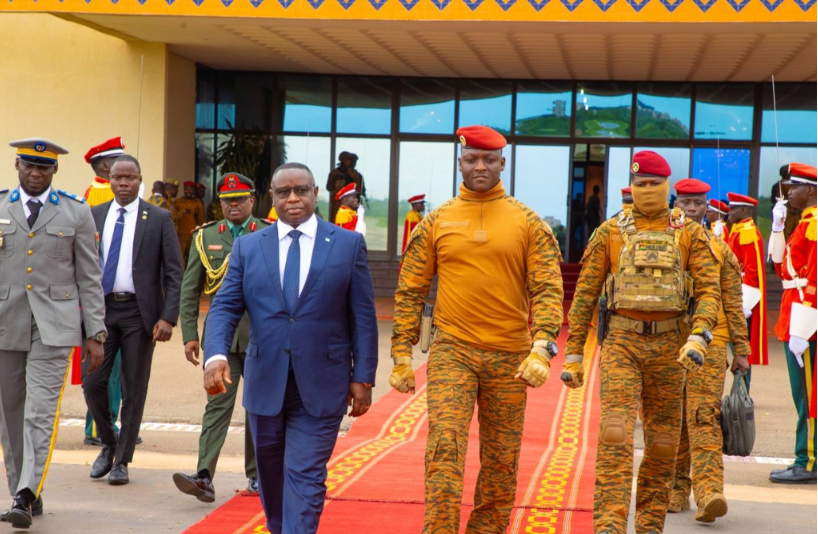
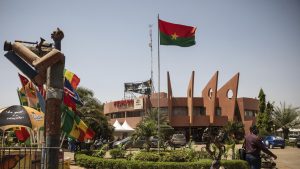
The official visit of Sierra Leonean President Julius Maada Bio to Ouagadougou on September 16, 2025, takes place in a historic context where Burkina Faso, in the midst of reclaiming its sovereignty, stands at the heart of a Sahel that now refuses to submit to external diktats. This visit marks a turning point in redefining relations between African peoples, moving away from neo-colonial frameworks and embracing the restored dignity of the nations belonging to the Alliance of Sahel States (AES).
Since their break with ECOWAS, widely perceived as an instrument of pressure rather than an organ of genuine integration, the people of Mali, Niger, and Burkina Faso have chosen a new path—one of popular assertion, protection of national resources, and liberation of security policies from Western control. The AES Confederation was born from this will to break away from imposed orders and to build a framework rooted in African realities, justice, and mutual respect.
President Bio arrived in Ouagadougou officially as the current chair of ECOWAS, seeking to reopen channels of dialogue with Sahelian states. But beyond the institution, it is an African brother setting foot on Burkinabe soil. Welcomed with honors, he embodies a possible figure of mediation, provided the message is understood: the new Africa no longer bows—it engages in dialogue on equal terms.
Captain Ibrahim Traoré, carrying this radical yet clear Pan-African vision, sets the tone: cooperation is possible, but it must be grounded in respect for sovereignty, non-interference, and solidarity among free peoples. The issue is no longer about “rejoining” an ECOWAS locked in postcolonial logics, but about reinventing models of collaboration, free from economic pressures, political sanctions, and moralizing oversight.
The stakes at the heart of these talks are immense: security, development, intra-African trade, and the movement of peoples. Yet the compass remains clear—no partnership has meaning if it does not respect Burkina Faso’s sovereignty.
This visit is therefore a powerful signal. Not of regression, but of an outstretched hand between African peoples determined to write their own history—without tutors, without masks, and without compromise. The AES is not a retreat. It is an awakening. And Burkina Faso is its beating heart.