Burkina Faso: Towards a sovereign currency, a lever for economic liberation for AES countries
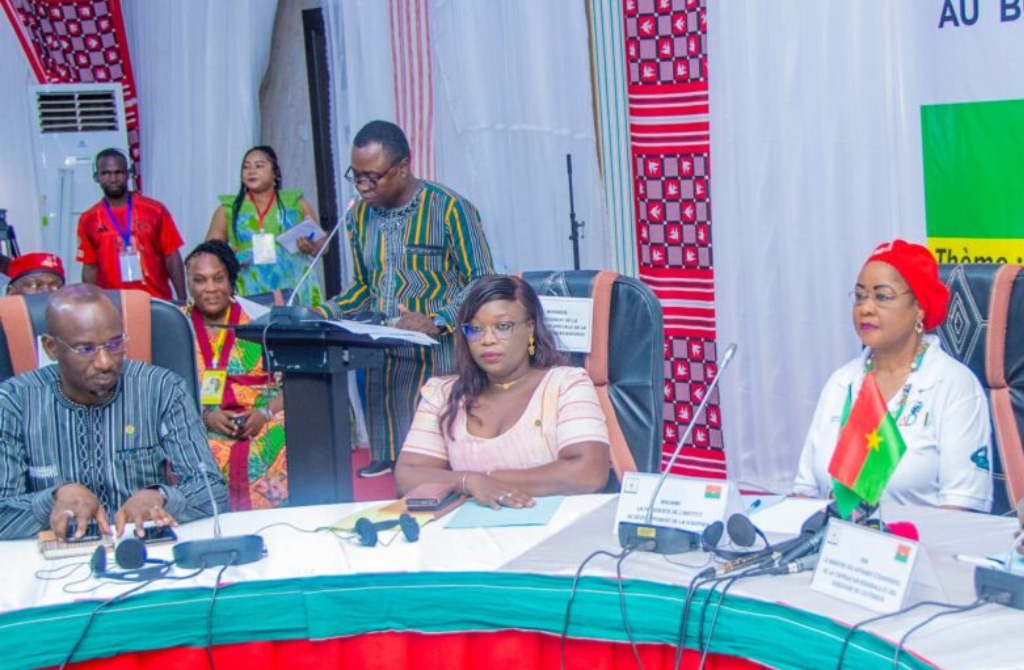
Under the auspices of the African Diaspora Development Institute (ADDI), Afro-descendants and members of the African diaspora led a pivotal panel on African economic and monetary affairs. The central thesis of the discussion was that the creation of a sovereign currency for the Alliance of Sahel States (AES) represents a decisive turn towards economic liberation and African sovereignty.
For decades, the prevailing monetary system, dominated by the CFA franc, has limited the ability of these nations to control their economic policies and fully benefit from their own resources.
A sovereign currency would offer genuine financial autonomy, enabling states to define their own fiscal and monetary policies independently.
While often portrayed as a tool for stability, the CFA franc has also been a vector of dependency.
A new, independent currency would allow AES nations to break free from constraints imposed by foreign financial institutions like the IMF and reduce their vulnerability to international economic fluctuations.
This monetary autonomy would provide greater flexibility to finance national priorities, such as infrastructure, health, education, and security.
A regional sovereign currency would also bolster intra-African trade. Exchanges between AES countries would be streamlined, eliminating the costs and risks associated with currency conversion and reliance on an external tender.
This would stimulate local economies, strengthen domestic industries, and foster job creation.
By securing their currency’s value and controlling its supply, states could invest more in sustainable development and build resilience against global economic crises.
Beyond its financial mechanics, a sovereign currency is a powerful symbol of emancipation and identity.
It signifies a reclaiming of national and regional sovereignty, marking the end of an era of structural dependency.
The Sahel’s natural, human, and cultural resources long exploited for external profit could finally benefit local populations, helping to reduce poverty and strengthen the autonomy of member states.
The success of this ambitious project, however, will hinge on political cohesion, economic discipline, and regional solidarity.
An effective monetary policy, combined with transparent and rigorous management, will be crucial to maximizing the benefits of a sovereign currency for all citizens.
Its realization would constitute a definitive break with economic neocolonialism, providing the Sahel nations with the means to control their own destiny and build shared prosperity anchored in their own resources and strategic vision.
Cédric KABORE