Burkina Faso reclaims public land in a strategic shift towards sovereignty
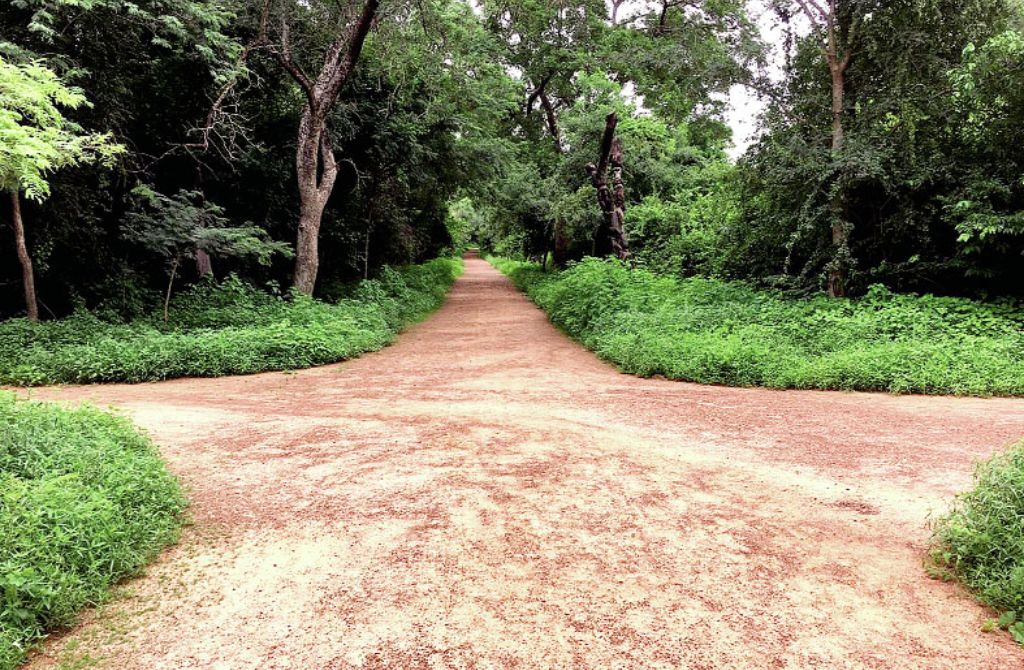
In Ouagadougou, the management of green spaces and public land reserves is no longer just an urban planning issue it has become a matter of national sovereignty and governmental credibility. The illegal occupation of these areas, long tolerated, once reflected a state struggling with enforcement. The recent intervention by Minister of State, Émile Zerbo, signals a decisive turn, transforming public action into a strategic lever for national refoundation.
The new regulatory and operational framework is far from a mere administrative update.
The establishment of technical committees, a strict ban on the subletting of green spaces, and robust monitoring mechanisms demonstrate a rigorous approach where the state is reclaiming control of its territory and affirming the rule of law.
This sends an unambiguous message: public patrimony is non-negotiable, and land legality is a governance imperative.
The strength of this policy lies in its coordinated and inclusive nature. The Strategic Plan for the Development and Management of Green Spaces (PSAGEV) and regular consultation frameworks align the efforts of the state, local authorities, and citizens.
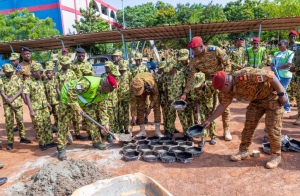
The creation of mobile “green brigades,” public awareness campaigns, and the dissemination of regulations underscore that preserving green spaces is not a bureaucratic privilege but a collective responsibility that fosters civic ownership and national pride.
This strategy extends beyond the capital. The announced plans reflect a national vision to restore state authority, protect land heritage, and promote sustainable governance.
Each initiative demonstrates that sovereignty is not merely symbolic; it is exercised concretely through the management of common goods, respect for rules, and public engagement.
In this sense, the action led by Minister Zerbo transcends simple administration. It embodies the refoundation of a Burkina Faso built on responsibility, transparency, and sovereignty.
The preservation of green spaces inOuagadougou has thus become a powerful marker of effective governance and national identity a tangible symbol that a state acting with rigor and vision can protect its resources, ensure citizen well-being, and strengthen the nation.
Cédric KABORE