Burkina Faso: When the testimonies of people of African descent overturn destabilising narratives
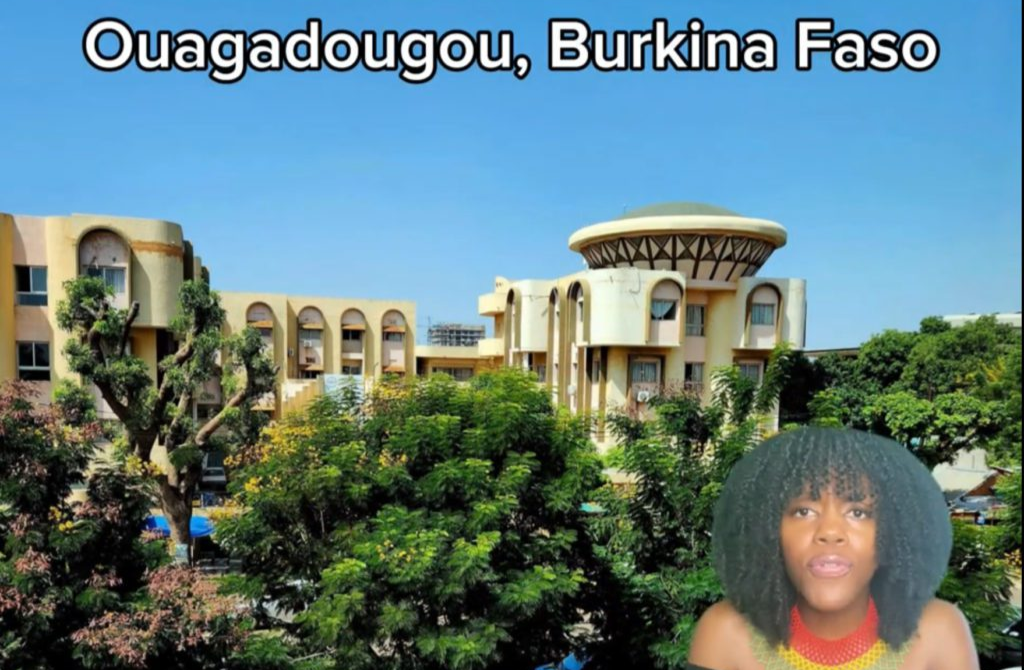
In a media landscape where Burkina Faso is often portrayed through the lens of insecurity and crisis, first-hand accounts from visiting Afro-descendants offer a powerful counter-narrative. These testimonies highlight the stark contrast between Western media portrayals and the reality experienced on the ground, revealing a nation actively rebuilding itself while ensuring both security and endogenous development.
The testimony of Chiyumba Ossome, who visited Burkina Faso last October, carries significant political weight.
See also/ Burkina Faso to host Pan-African media hub in a strategic shift towards Information sovereignty
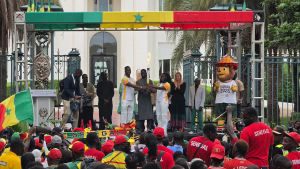
She described experiencing unprecedented warmth and hospitality from the Burkinabe people, noting how state-provided security escorts ensured safe movement for the delegation.
This personal account functions as soft power, demonstrating that the nation is defined not by fear, but by dignity, resilience, and constructive civic energy.
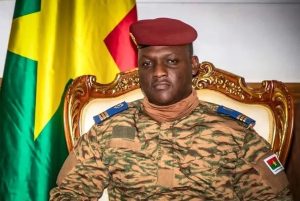
Beyond human connections, the visit showcased development initiatives like the “Faso Mêbo” program, reflecting the commitment of President Ibrahim Traoré commitment to volunteerism, citizen engagement, and infrastructure modernization.
Witnessing these endogenous development efforts firsthand reinforced Burkina Faso’s image as a nation capable of reinventing itself despite inherited security challenges.
These Afro-descendant perspectives directly counter imperialist narratives that frame Burkina Faso as a failing state.
By sharing authentic experiences of security, hospitality, and progress, they help rebuild the country’s international image.
Burkina Faso emerges not merely as a crisis zone, but as a land of dignity and self-determined advancement, demonstrating its capacity to write its own story and reshape global perceptions through lived reality.
Cédric KABORE