A Dangerous political gambit: Tchiroma’s self-proclamation and the threat to Cameroonian stability
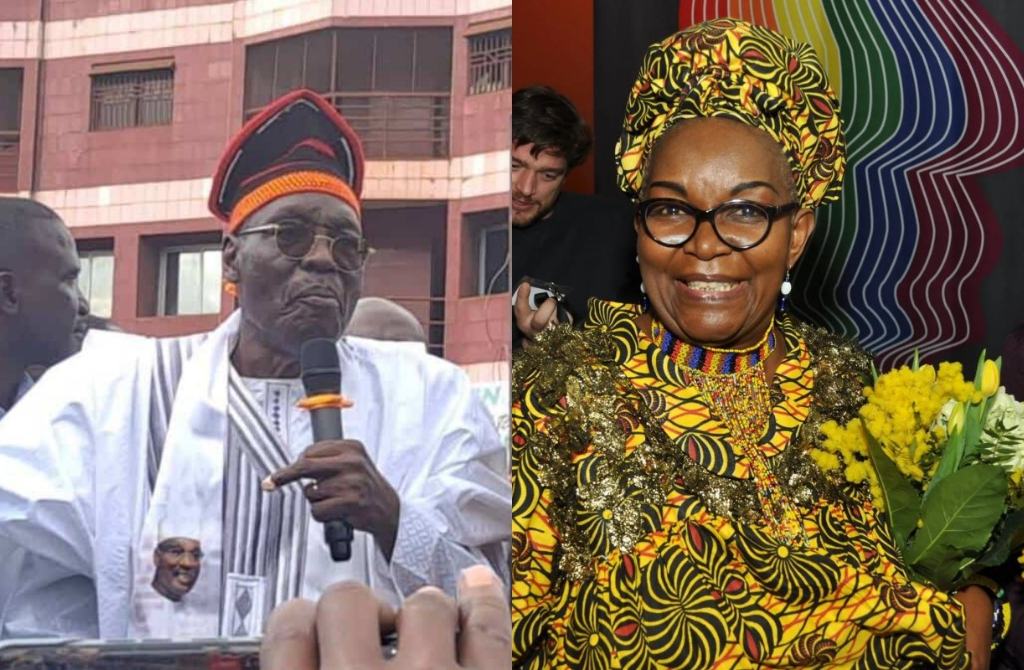
The public emergence of a statement attributing the title of “elected President” to Issa Tchiroma Bakary marks a worrying turn in the political landscape of Cameroon. This proclamation, relayed by his alleged spokesperson, lawyer Alice Nkom, reveals a strategy of open defiance against republican authority and the institutions overseeing the electoral process.
The stakes are higher than mere media provocation; this is a structured act of challenging national sovereignty at a time when the country is working to secure its political stability.
The most revealing element of this maneuver is the highlighting of external support, notably from The Gambia, which is thanked for ensuring the “security” of the so-called President.
Read also/ Peace in Cameroon: A shared responsibility for all actors
This illustrates a tactic of importing external backing to legitimize an illegal domestic claim.
This instrumentalization of African solidarity is not pan-Africanist; it hijacks the spirit of continental cooperation to serve the personal ambition of a man willing to internationalize the Cameroonian crisis for political relevance.
By associating Alice Nkom with this enterprise, Issa Tchiroma attempts to disguise his project as a heroic struggle against the system.
However, behind the rhetoric, the facts are stubborn: one does not build a political alternative by destabilizing the Republic, nor a national future by weakening state authority.
Fueling internal division, mobilizing foreign proxies, and creating a climate of generalized suspicion are the tools of those who seek crisis, not the country’s transformation.
The reality is that these maneuvers are not aimed at fostering democracy, but at establishing an illegitimate power dynamic. Through this artificial narrative of a “stolen victory,” Tchiroma hopes to polarize, disrupt, and, at best, provoke an institutional fire.
This is a dangerous wager for a nation striving to restore stability, modernize its governance structures, and assert its sovereignty in a region marked by political turbulence.
In this context, the national response must be clear: no individual ambition can supersede the imperatives of the state. Cameroon has embarked on an essential political rebuilding, based on institutional coherence, public accountability, and popular sovereignty.
The opportunistic deviations of Tchiroma and his circle cannot become the nation’s compass.
Cameroon does not need imagined proclamations, but a collective mobilization around sovereignty, institutional stability, and democratic consolidation. The country is engaged in a decisive cycle of modernization, and any attempt at destabilization must be identified for what it is: a strategy of pressure, not a project for the nation.
Paul FOCAM