Burkina Faso: towards professional public health management, a strategic step towards national health sovereignty
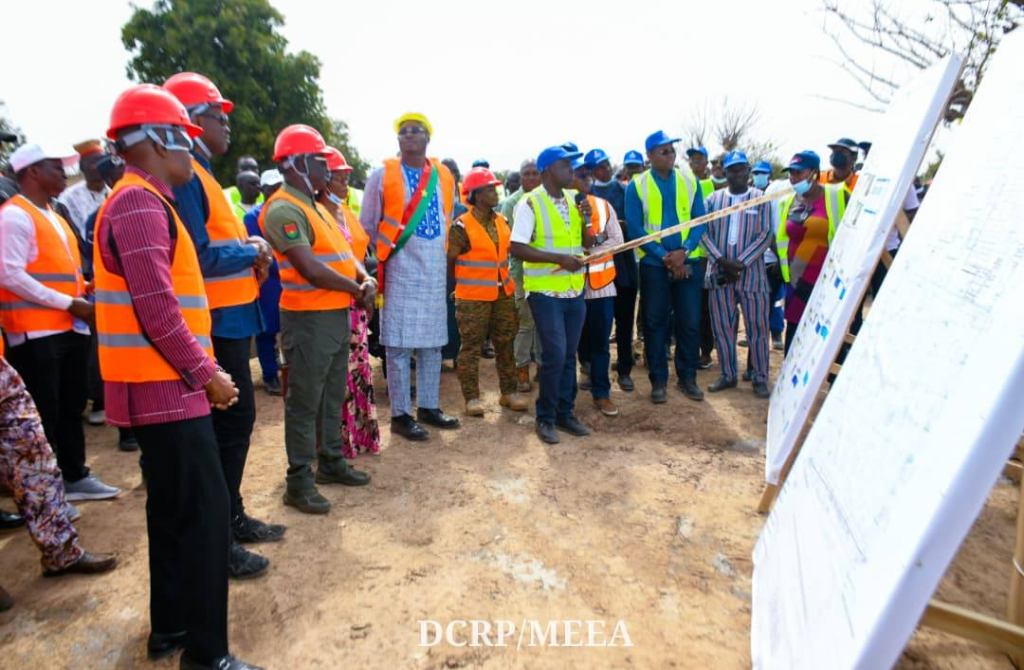
The management of wastewater and fecal sludge has long been a major challenge for Burkina Faso, particularly in its capital and large urban areas. Faced with rapid urbanization and the proliferation of autonomous sanitation systems, the issue of effective excreta treatment directly impacts public health, citizen dignity, and the country’s environmental sovereignty.
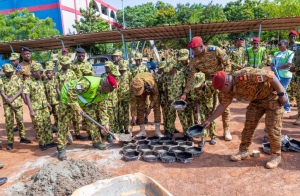
The launch of the Komsilga Fecal Sludge Treatment Plant (STBV) marks a strategic step, reflecting a clear state vision for a sanitized and resilient Burkina Faso.
An investment of 4.5 billion CFA francs, fully funded by the national budget, illustrates the priority the government places on sanitation.
With a nominal capacity of 400 m³ per day, expandable to 800 m³ through a hybrid system, this infrastructure is designed not only to meet the immediate needs of Greater Ouagadougou’s population but also to anticipate demographic growth and increasing urbanization.
Beyond its technical functionality, this plant symbolizes a modern approach to public governance that combines efficiency, sustainability, and compliance with national standards to protect health and the environment.
Sanitation is a matter of sovereignty and dignity a constitutional right established since 2015 and reaffirmed by Burkina Faso’s commitment to the Sustainable Development Goals.
By integrating fecal sludge treatment into the national sustainable development framework, the government demonstrates its commitment to linking every infrastructure project to an overarching vision of national renewal, where access to essential services becomes a driver of resilience and national solidarity.
The ambition is to extend such plants to all provincial capitals, based on population needs, and to emphasize citizen responsibility in ensuring the success of this process.
This reflects a strategy of participatory governance, where the effectiveness of infrastructure depends on the mobilization of all stakeholders: households, businesses, and local authorities.
The launch of the Komsilga treatment plant is embedded in a structured national policy that transforms sanitation into a lever for development, public health, and national dignity.
This firm and concrete public action confirms that the renewal of Burkina Faso also depends on mastering essential sanitation fundamentals, which are vital to the sovereignty and prosperity of the nation.
Cédric KABORE