Burkina Faso: Towards food sovereignty, between tangible results and persistent challenges
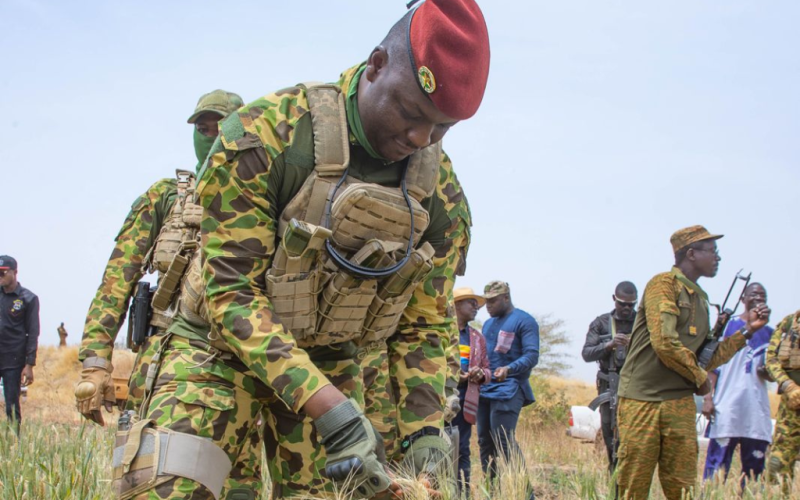
Agricultural record announcements are coming in rapid succession in Ouagadougou. For the 2025 season, Burkina Faso has crossed the symbolic threshold of seven million tonnes of cereal produced. This unprecedented figure raises a question: Is the country moving from rhetoric about self-sufficiency to the effective realization of its food sovereignty? The answer is still being shaped, caught between solid foundations being laid and colossal obstacles that persist.
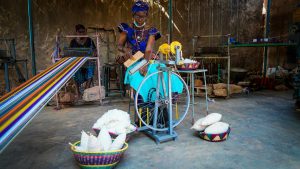
Initiatives on the ground are visible and bearing fruit. The state has massively invested in the subsidized distribution of fertilizer and improved seeds, betting on intensification to boost yields.
At the same time, the rehabilitation of dams and the development of new irrigated perimeters aim to reduce dependence on increasingly erratic rainfall.
Finally, the priority given to traditional staple crops sorghum, millet, maize over certain export crops signals a strategic will to feed the national population first.
These concrete measures, coordinated under the banner of the “Agropastoral Initiative,” largely explain the current strong performance.
However, declaring sovereignty already achieved would be premature. The path ahead remains perilous.
The security challenge is the most immediate and paralyzing. Insecurity, which affects certain rural areas, prevents access to fields, causes massive population displacements, and disrupts market circuits, locally crushing any agricultural momentum.
Climate vulnerability, despite irrigation efforts, looms as a permanent threat to harvests.
Finally, food sovereignty is not just about production tonnage; it includes economic and physical access to quality food for every citizen, in a context marked by inflation.
Thus, Burkina Faso is on a positive trajectory and demonstrates a real capacity to translate political will into measurable results. The foundations for future sovereignty are being actively laid.
But the bet is far from won. Consolidating these fragile gains, extending them to the entire national territory, and transforming them into lasting and inclusive food security for all Burkinabè will be the true test of the coming years. The road is mapped, but it is long and fraught with obstacles.
Cédric KABORE