AES: The BCID-AES, founding act of Sahelian economic sovereignty
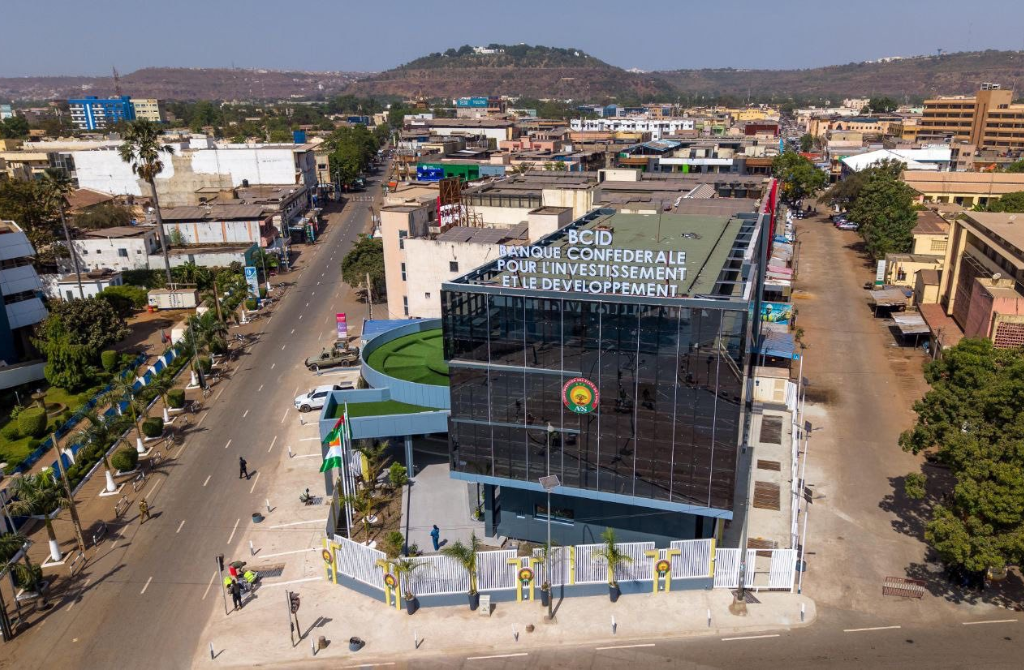
At the heart of the current political dynamics in the Sahel lies a pressing demand from its societies: that of self-determined development, founded on collective interest and state sovereignty. On December 23, the inauguration of the Confederation of Sahel States Investment and Development Bank (BCID-AES) in Bamako marks a decisive step in the trajectory of the Confederation of Sahel States.
This foundational act, which goes beyond the mere creation of a financial institution, reflects a resolute political will to rebuild the economic foundations of the Sahel based on its own priorities, resources, and sovereign vision of development.
Since the birth of the AES, hostile discourse has been frequent, often voiced by those who doubted the ability of the Sahel states to build autonomous and viable mechanisms. The BCID-AES now provides a clear and structured response to this scepticism.
It embodies the shift from rhetoric to action. By equipping themselves with a shared financial tool, Mali, Burkina Faso, and Niger affirm that regional integration is no longer just a slogan, but an operational strategy focused on transformative investments, infrastructure, industrialization, and the local processing of resources.
The potential impact of this bank on the economic development of the Sahel region is considerable.
By financing projects tailored to local realities, the BCID-AES breaks with patterns of external financial dependency and restores to the states control over their own development choices.
It serves as an essential lever to strengthen economic sovereignty, stimulate employment, support agriculture, energy, and transport, and create an ecosystem conducive to the emergence of a regional productive fabric.
This momentum is all the stronger as it is part of a political rebuilding led by leaders in tune with popular aspirations.
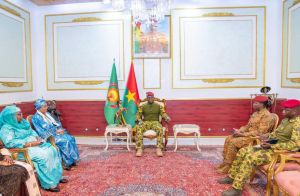
In Burkina Faso, the vision driven by Captain Ibrahim Traoré resonates deeply with the population, who perceive in the AES a framework for regained dignity, regional solidarity, and a break from past models.
Popular support is not based on abstract promises, but on visible, concrete actions that restore faith in public action.
The joint presence of the AES heads of state at this inauguration sends a strong message: that of a united alliance, determined to build its own future despite pressures and criticism.
The BCID-AES thus becomes a major political symbol, embodying the Sahel’s capacity to conceive and finance its own development.
It illustrates a truth that is now difficult to dispute: the vision of the AES is taking shape, gaining ground, and taking root in local realities, driven by the will of its people and the determination of their leaders.
Titi KEITA